Submersible Pump
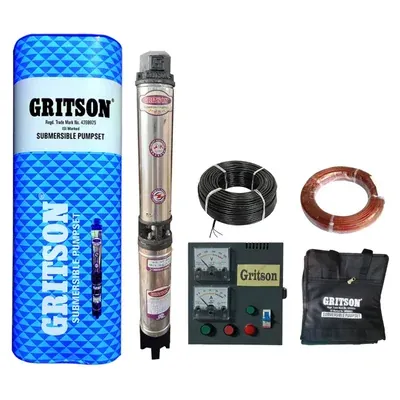
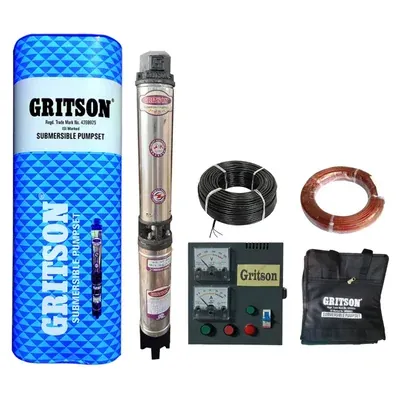
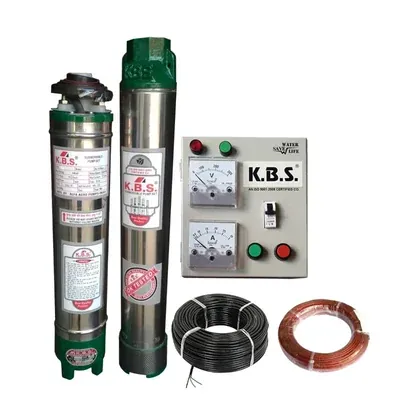
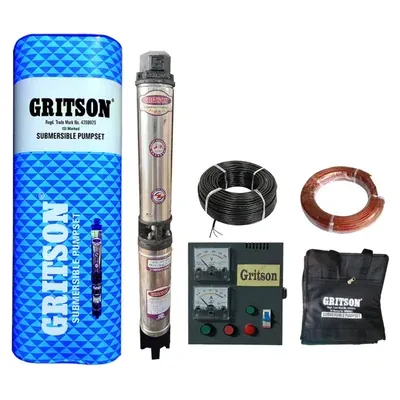
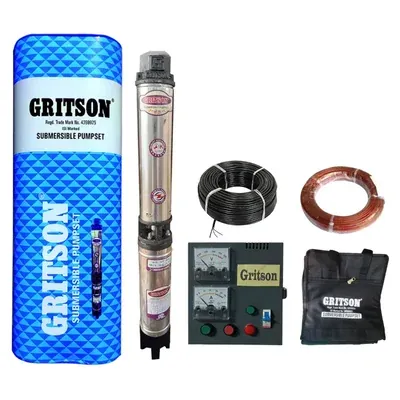
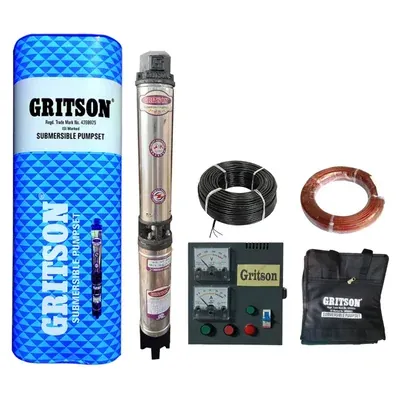
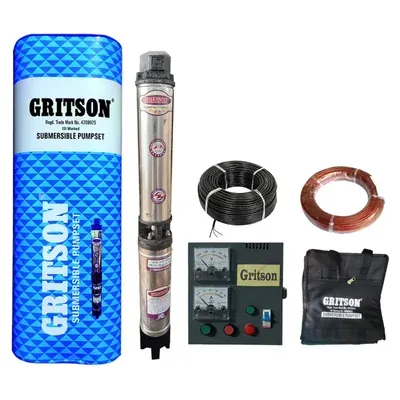
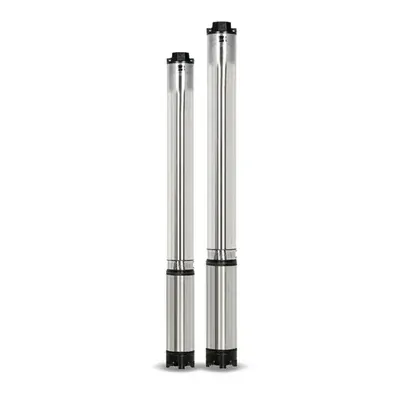
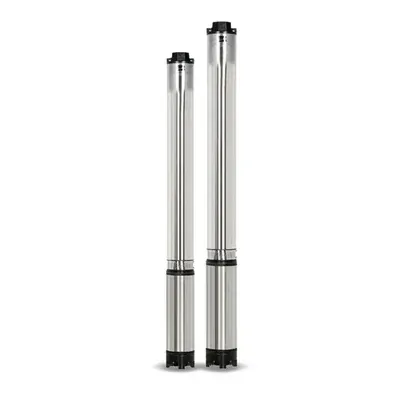
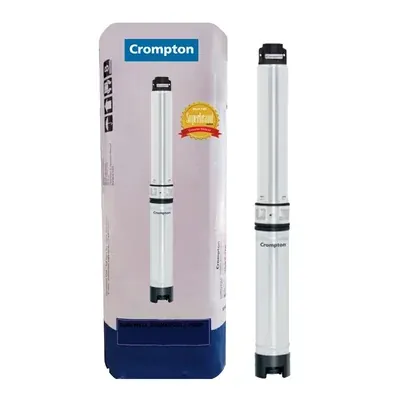
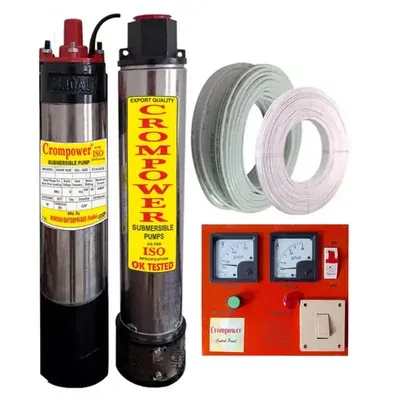
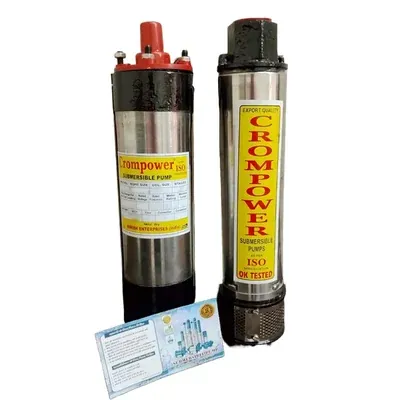
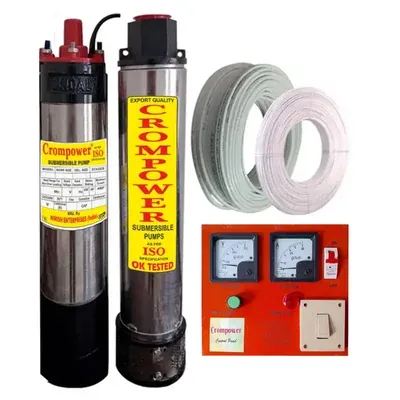
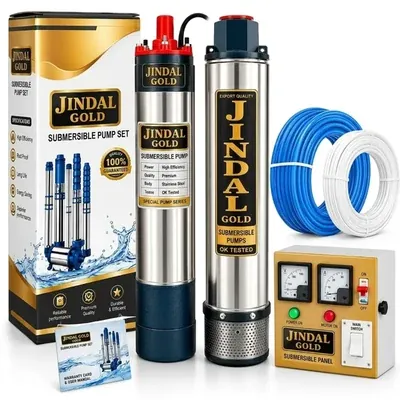
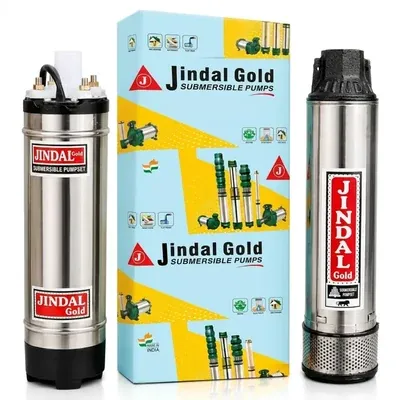
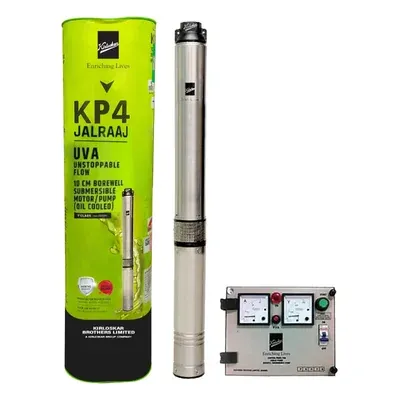
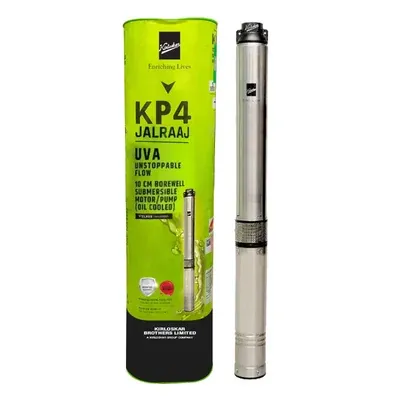
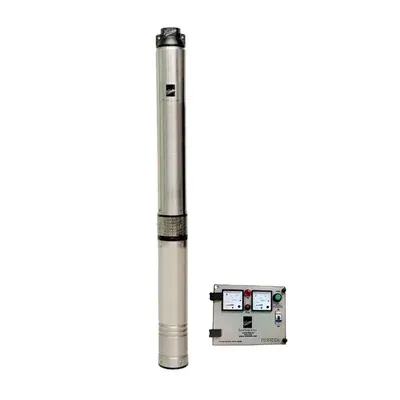


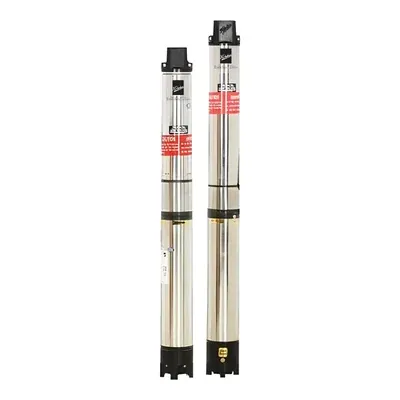

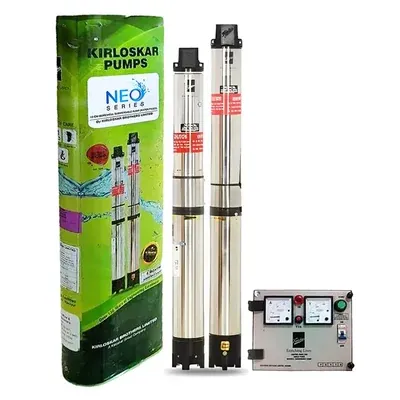
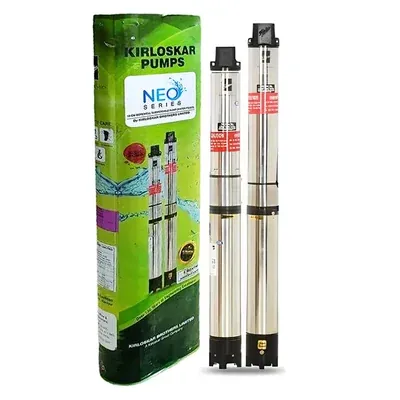

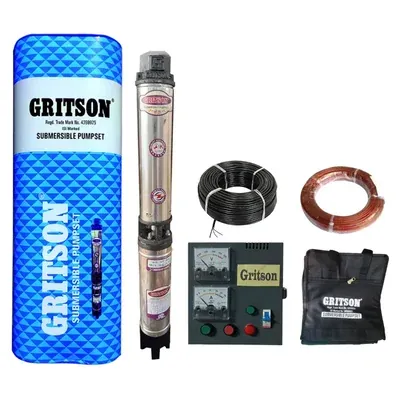
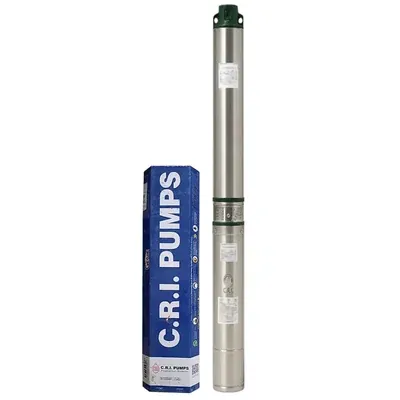
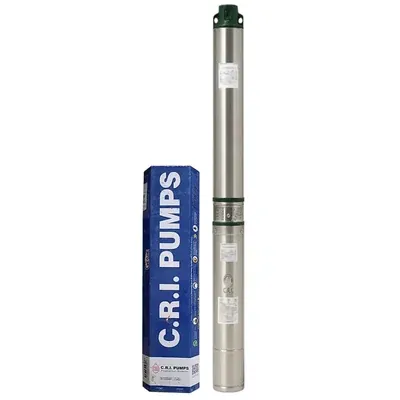
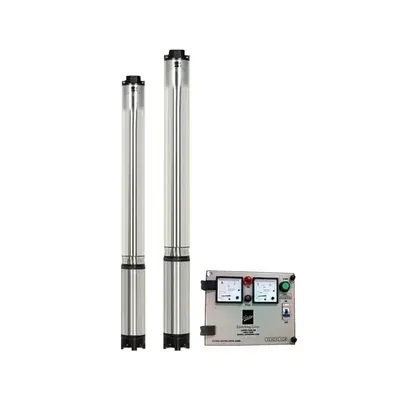
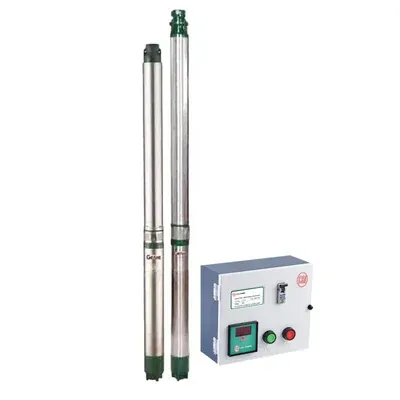
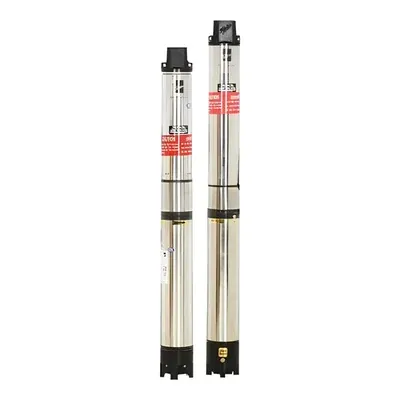
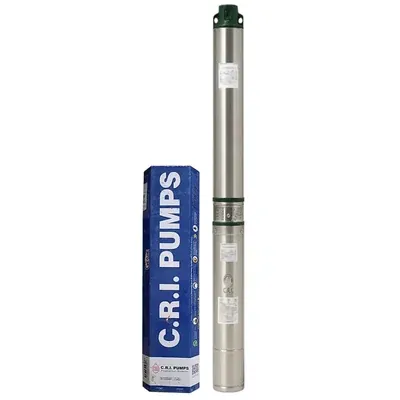
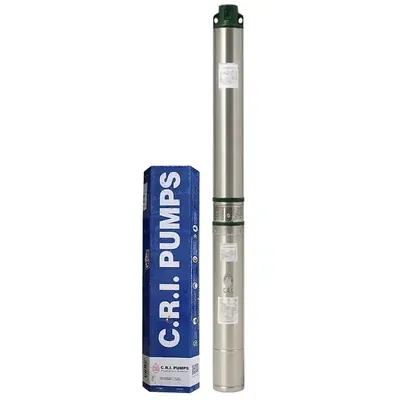
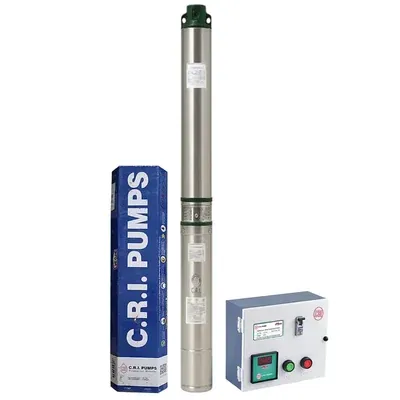
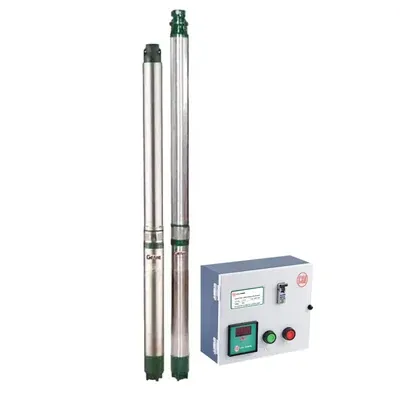
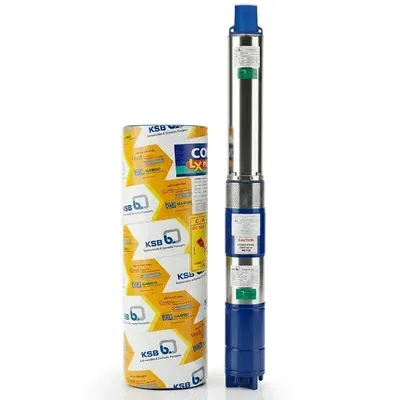
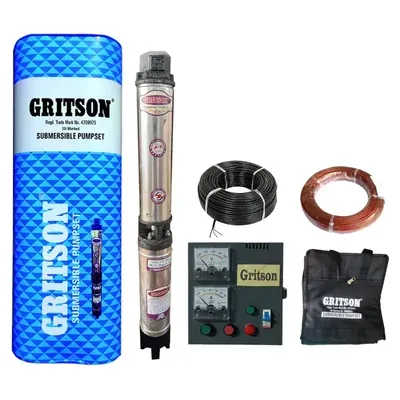
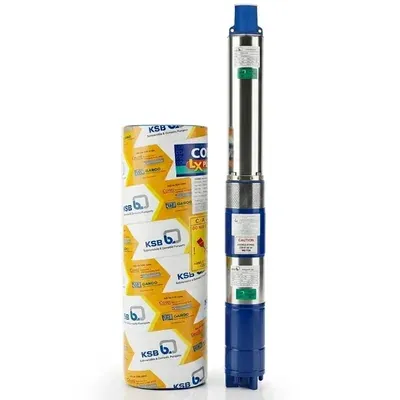
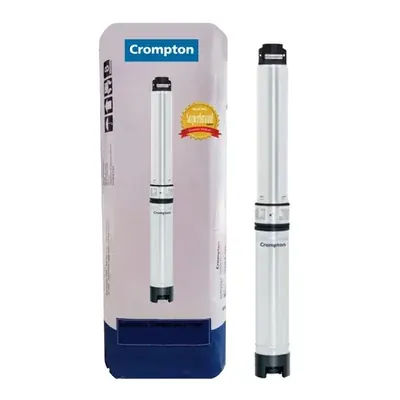
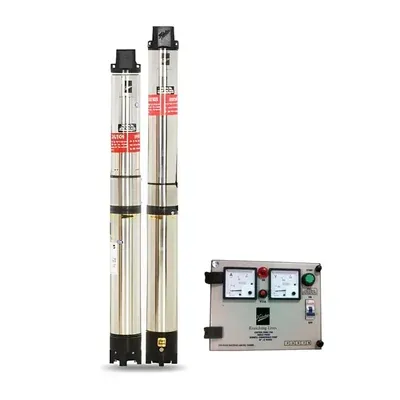
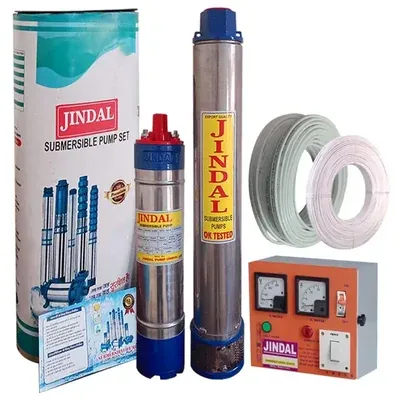
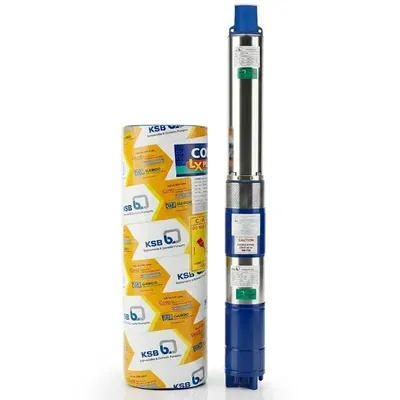
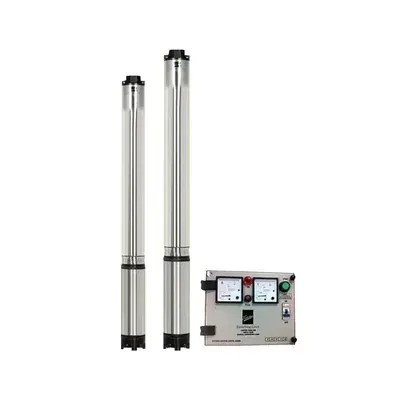
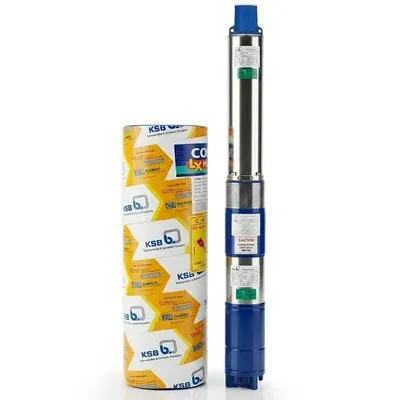
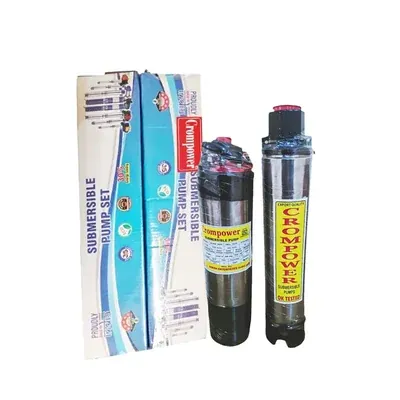
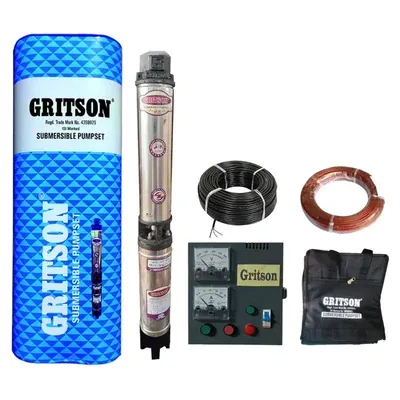
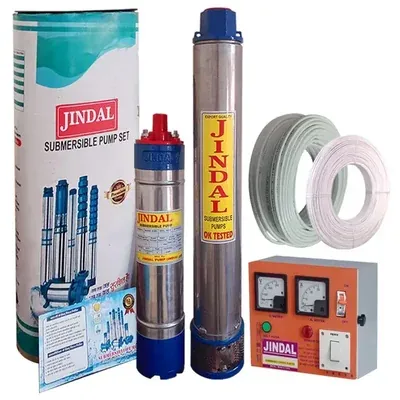
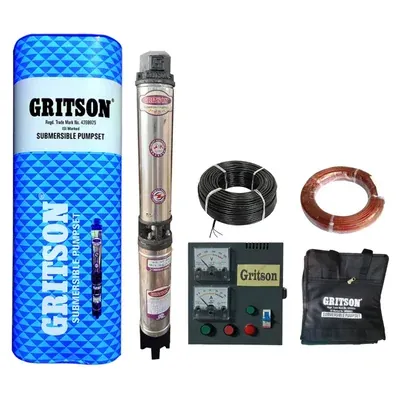
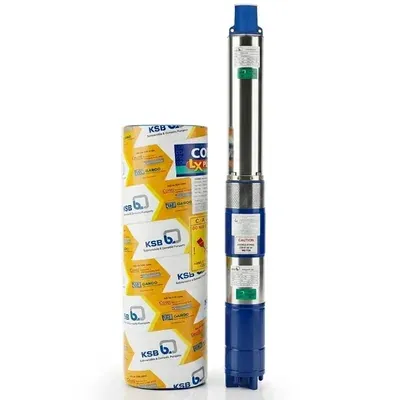
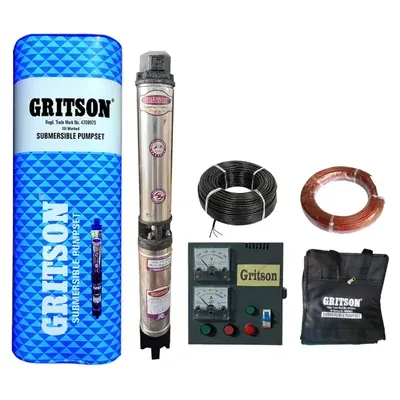
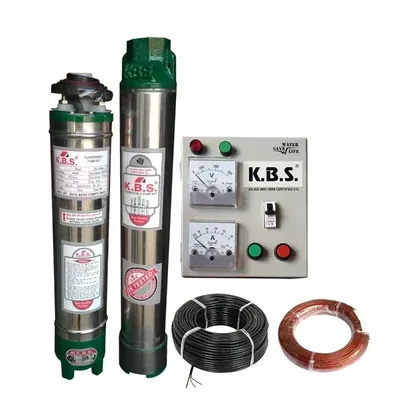
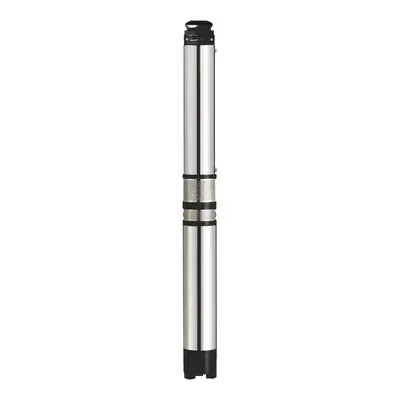
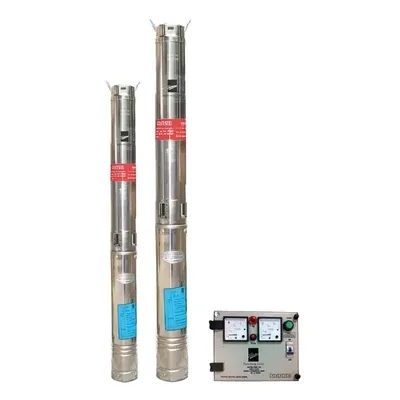
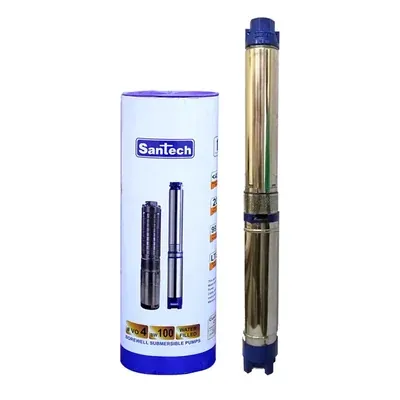
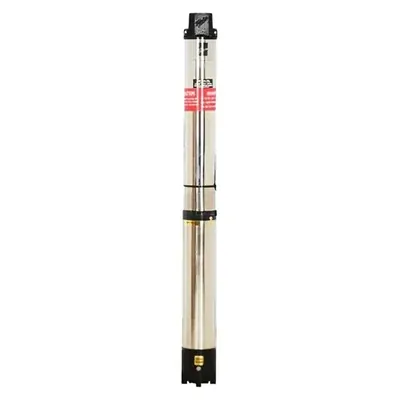
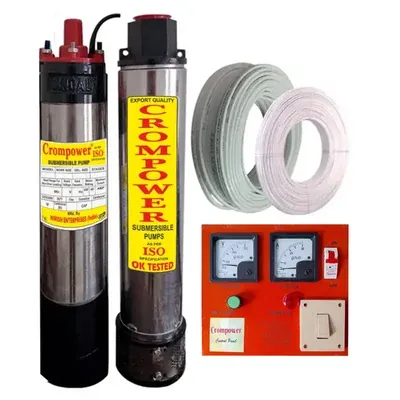

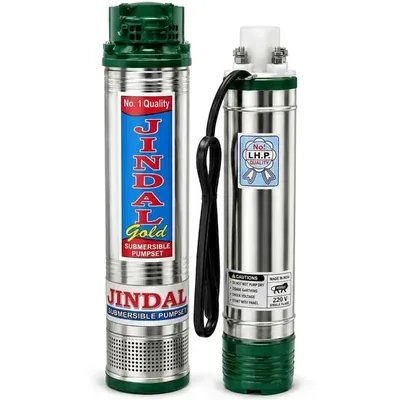
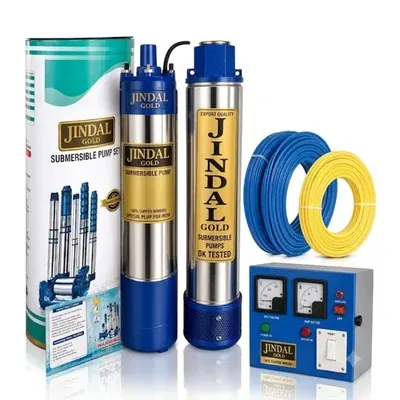
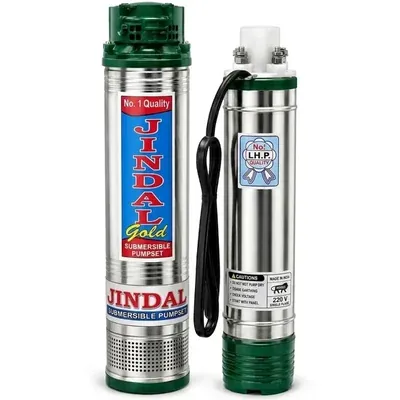
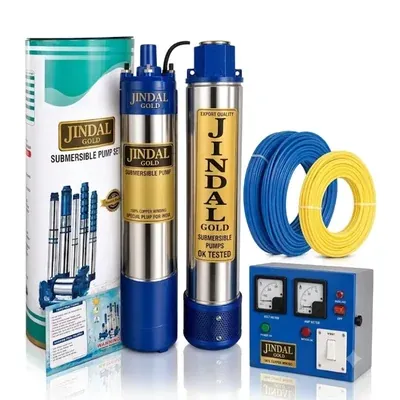

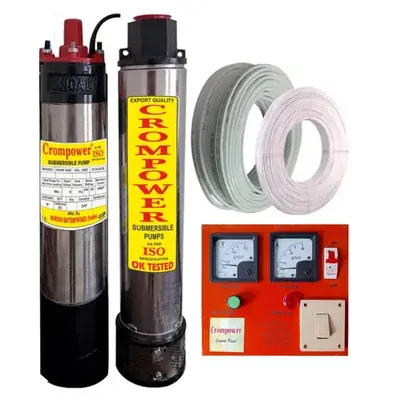
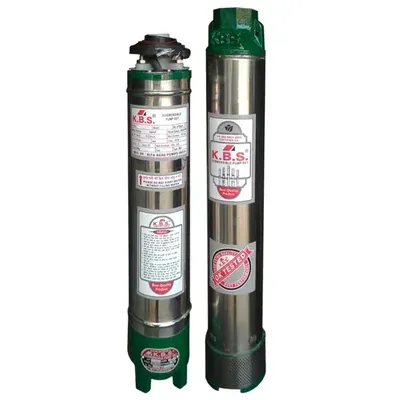
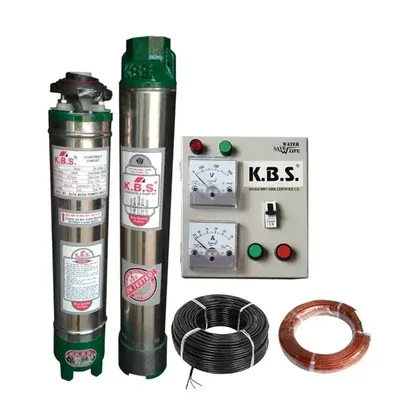
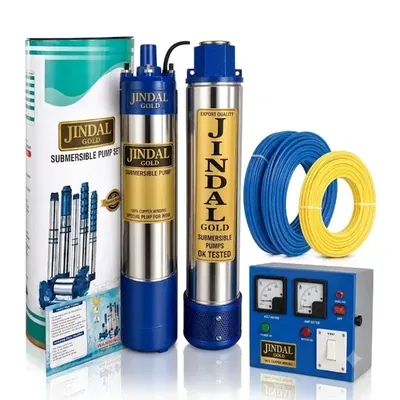
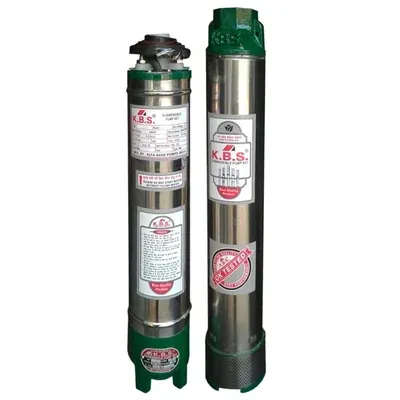
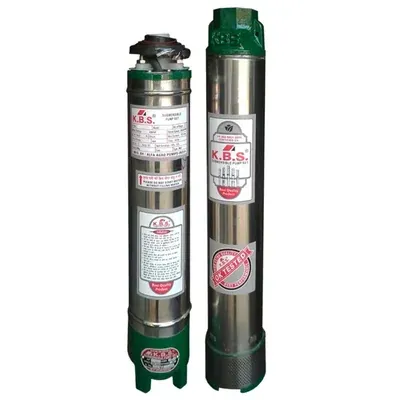
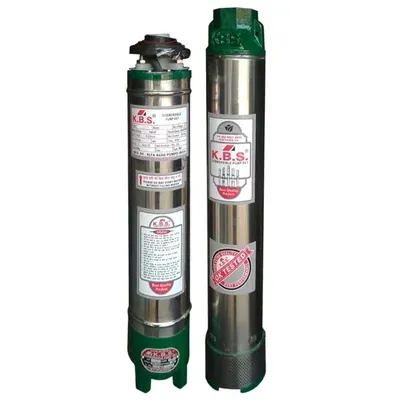
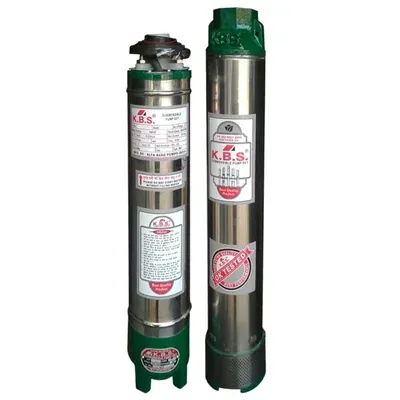
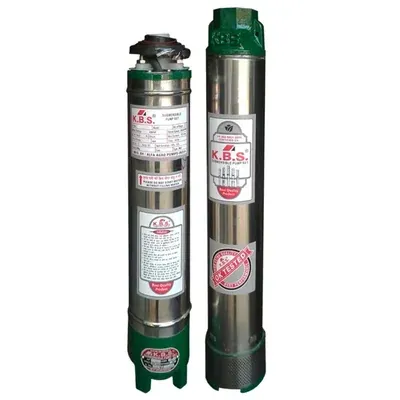
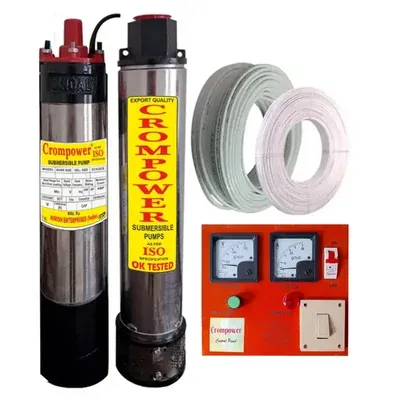
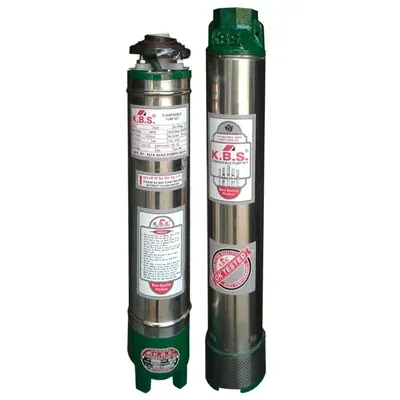
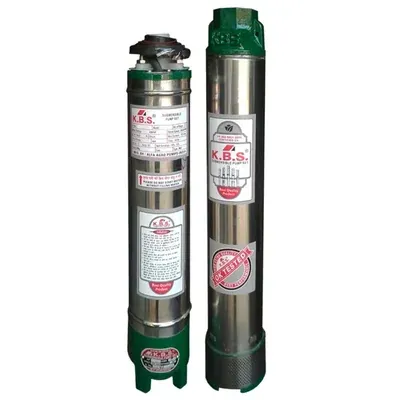
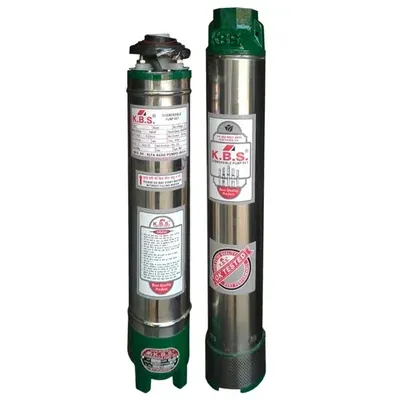
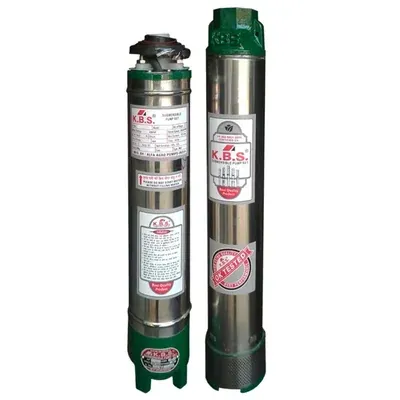
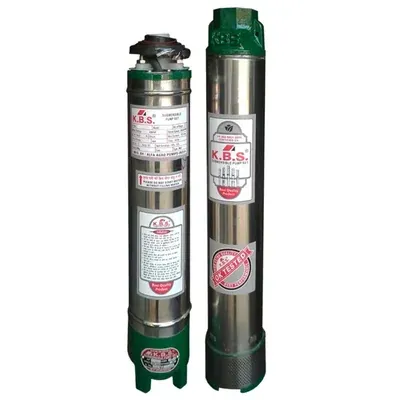
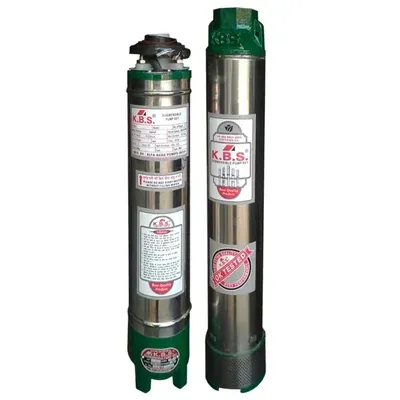
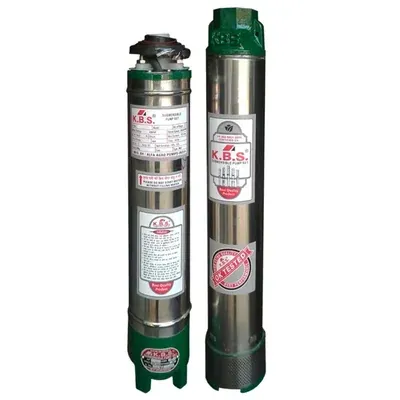

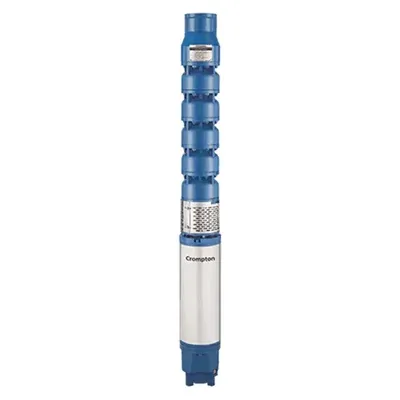
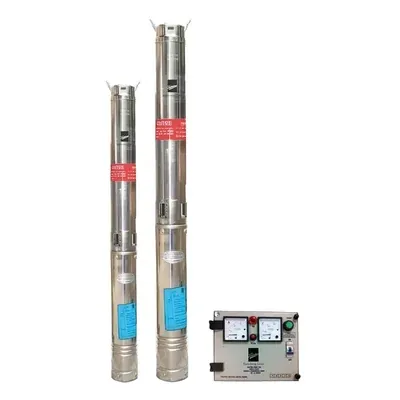
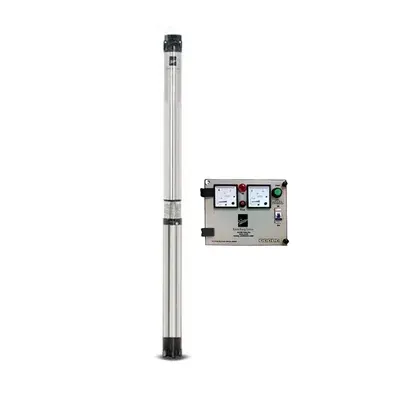

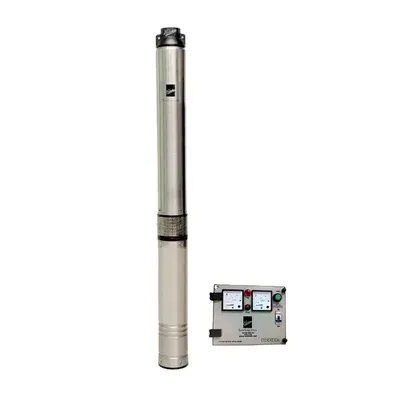
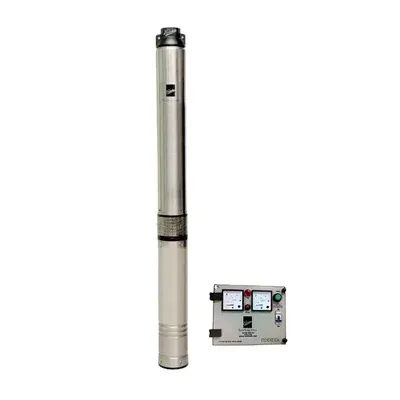
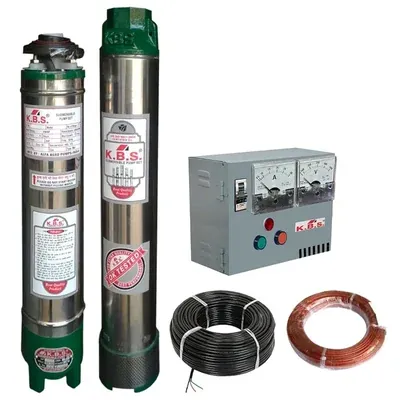
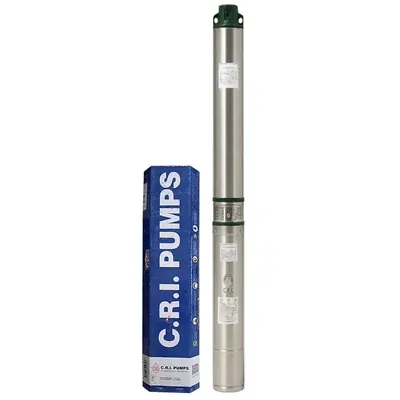
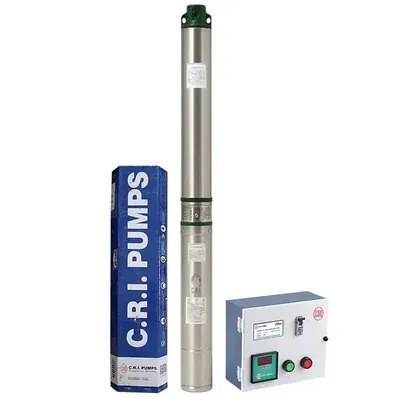
Top 10 Best-Selling Submersible Pump price list for October 2026
Borewell Submersible Pump: The Five Matches Before You Order
A borewell submersible pump works only when five things line up: the bore diameter, the pumping water level, the total head up to your tank, the yield of the bore and your electricity supply. Get one wrong and the result is a stuck pump, a trickle at the tank or a burnt motor, whatever the brand. For every other pump type, start at Water Pumps and Motors.
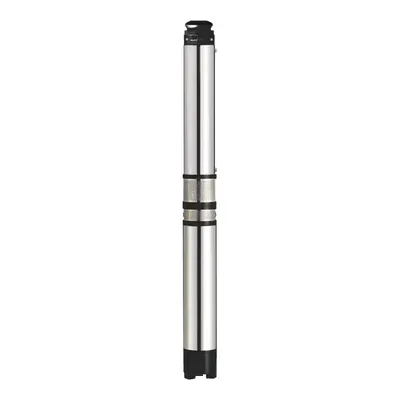
A submersible pump is a sealed motor joined to a multi-stage pump in one long cylinder, lowered into the water on a delivery pipe. It pushes water up instead of pulling it, which is why it suits borewells where water sits far below the ground. For a wide dug well or farm pond, see open well pumps. If the pump will stand above ground, look at monoblock pumps.
Bore Diameter and Pump Body Size: V3, V4 and 6 Inch
The pump must slide into the casing with room to spare, so measure the bore before you look at HP. In ToolHaat listings the body size appears in the product name: V4 sits beside "4 Inch", V3 beside "3 Inch", and wider pumps are listed as 6 Inch.
| Size in the name | What it tells you | What to confirm |
|---|---|---|
| V3 or 3 Inch | Slim body for narrow bores | Real inner diameter of the casing |
| V4 or 4 Inch | Body meant for a 4 inch class bore | Outer diameter on the datasheet against the casing |
| 6 Inch | Wider body for bigger duties | Bore is 6 inch or more all the way down |
A bore can narrow or bend lower down even when the top of the casing looks wide, and a jammed pump is hard to pull back. If you do not know the bore, ask the contractor who drilled it.
Water Level, Total Head and Stages in a Borewell Pump
Total head is the vertical distance the pump must lift water, counted from the pumping water level and not from the bottom of the borewell. A bore drilled to 400 feet may have water standing at 150 feet, and the 150 feet is what matters.
Use this rule of thumb:
- Pumping water level = static water level + drawdown (how far the level falls while the pump runs)
- Add the height from the ground to the top of the overhead tank
- Add a margin, which installers often set at roughly 10 to 20 percent, for friction in the delivery pipe, more for long horizontal runs
For example, a static level of 120 feet plus 30 feet of drawdown and a tank 40 feet above ground gives 190 feet. A 10 percent friction margin brings it to about 210 feet, or roughly 64 metres. You then look for a pump whose performance table shows the flow you need at that head.
Stages are the stacked impeller sections inside the pump, and in general more stages give more head. Motor power then decides how much water you get at that head, so HP cannot be chosen from depth alone: the power needed rises with flow multiplied by head. A listing such as the Kirloskar 1 HP 8 Stage 4 Inch single phase pump quotes a head in its name. That is usually the maximum or rated head, so read the performance table for flow at your own head.
Yield, Setting Depth and Why Bigger HP Is Not the Fix
Yield is how much water the borewell gives per hour, and the pump should never draw more than that. If it empties the bore faster than it refills, the level falls to the pump inlet and the pump runs dry, which is a common way for a motor to burn.
On a low-yield bore, choose a pump with the right head and modest HP rather than a bigger one. Extra HP wastes power and dries the bore sooner. Two habits help.
- Set the pump several metres below the lowest pumping level you expect, and clear of the bore bottom where sand and silt settle
- Plan for summer, when the water table is lowest, not for the weeks after monsoon
A panel with dry run protection adds a second line of defence. Some panels sense the motor current and others use probes or float switches in the well, so confirm which one your panel offers. If you are unsure of the yield, ask a borewell contractor for a test pumping before you order.
Single Phase or Three Phase Submersible Pump
Single phase suits home and small-farm supply, and three phase suits larger pumps on farm and industrial connections. In the ToolHaat range, single phase listings far outnumber three phase ones.
| If your situation is | Choose |
|---|---|
| Home or small farm, single phase supply, moderate head | Single phase pump with a control panel |
| High head or high HP, three phase supply at the site | Three phase pump with a matching starter |
| Supply that often sags or swings | A panel with under and over voltage cut-off, and a nameplate voltage range that covers your supply |
Motors are rated for a supply window, and running outside it overheats the windings. With unsteady village or farm supply, this is a real risk to the motor. A submersible pump with a control panel (CP) that has overload protection costs little next to a rewind. Have a qualified electrician do the wiring, and make sure the pump, panel and pipe are earthed. Panels and cables are covered under pump accessories.
Oil Filled or Water Filled Submersible Pump
The difference is what fills the motor: oil or water. ToolHaat product names use "oil filled" and "oil cooled", or "water filled" and "water cooled", for the same two ideas.
| Point | Oil filled or oil cooled | Water filled or water cooled |
|---|---|---|
| Fills the motor | Oil | Water |
| Winding repair | Harder and slower | Simpler |
| If a seal leaks | Oil can enter the water | Water stays water |
| Water use | Fine for irrigation and general use | Often chosen where water quality matters |
If the same borewell feeds your kitchen tap, water filled removes the oil-leak worry. If it only feeds field irrigation, either type can work, so follow the product page and the maker's guidance for your depth and duty.
What Goes Wrong When the Pump Does Not Match
Most borewell pump complaints trace back to one of the five matches rather than to a factory defect.
| Symptom | Likely cause | What to check |
|---|---|---|
| Pump stuck or hard to pull out | Pump too wide for the bore, or bore narrows | Casing inner diameter and pump outer diameter |
| Only a trickle at the tank | Total head higher than the pump suits, or too few stages | Head sum against the performance table |
| Water stops after an hour | Pump draws more than the bore yields | Yield, drawdown, setting depth |
| Trips on overload | Low voltage, wrong panel rating or a jammed rotor | Supply voltage and panel rating |
| Motor burns | Dry running, voltage swings or no protection | Panel protection and water level |
| Sand in the water | Pump set too near the bore bottom | Setting depth and bore condition |
Dirty water or sewage needs a different pump, so see dewatering and sewage pumps.
What to Buy Along With the Submersible Pump
A submersible pump is a set, not a single item. Many listings say "with CP", "30 m cable" or "safety wire" in the name, such as the Jindal Gold 1 HP 12 Stage V4 pump. Read what is included before you compare two prices.
- Control panel or starter that matches the motor rating
- Submersible cable long enough for the setting depth plus the run to the panel
- Safety wire so the pump never hangs from the delivery pipe alone
- Delivery pipe of the right diameter and a non-return valve
Choosing a Borewell Submersible Pump From the ToolHaat Range
The category lists about 309 models, from roughly ₹4,500 to ₹59,000, with a median near ₹16,700. Brands include Kirloskar, CRI, Crompton, KBS, GRITSON, CG Power and KSB. Read each name as a spec line, then narrow the list with these rules:
- If you have a single phase supply and a 4 inch bore, start with the V4 single phase listings in 1 HP, 1.5 HP and 2 HP, the sizes named most often
- If the head you worked out is high and a three phase supply is available, look at the larger three phase listings, then confirm the head on the performance table
| Example listing | What the name tells you |
|---|---|
| Havells 1.5 HP 12 Stage 4 Inch V4 oil filled | 1.5 HP, 12 stages, 4 inch class, single phase, oil filled |
| Kirloskar 5 HP 4 Stage 6 Inch three phase | 5 HP, 4 stages, 6 inch, three phase, water filled, 160 ft head |
Still unsure which listing fits? Send your numbers by Request for Quote. If your borewell feeds field irrigation, the agricultural tools category covers the equipment around the pump.
Ordering in Bulk, GST Invoice and Returns
Before you ask for a quote, write down five numbers: bore diameter, pumping water level, tank height, flow needed and phase. Send them through the Request for Quote form and the team can help match a model, including for dealer and project orders.
Every order carries a GST invoice, and bulk and tiered pricing is shown on each product page with the minimum order quantity. Delivery covers India, free above ₹2,000, though heavy machinery may carry freight confirmed before dispatch (see the shipping policy). If a pump arrives wrong or damaged, raise a request within 24 hours of delivery with an unboxing video and send the item back within 3 days, as set out under cancellations and returns. Warranty claims follow the warranty policy.