Open Well Pump
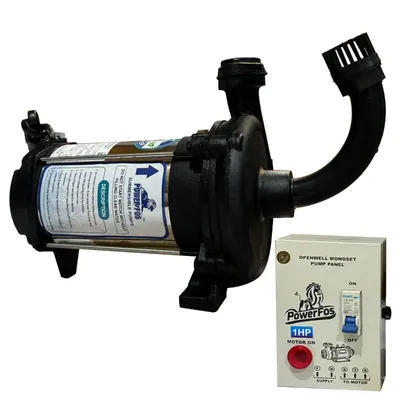
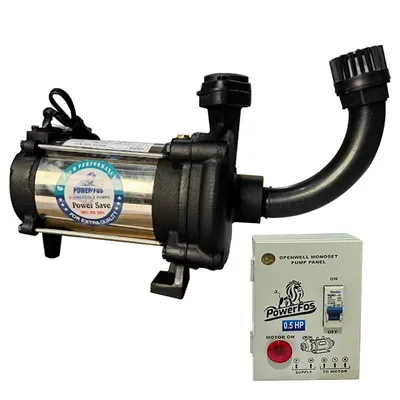
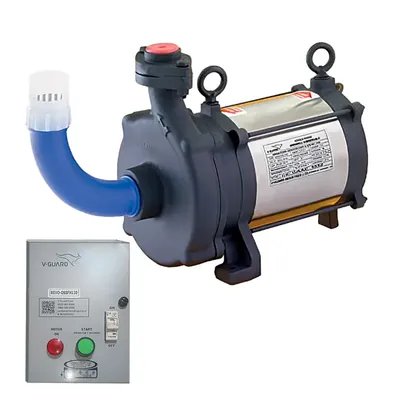
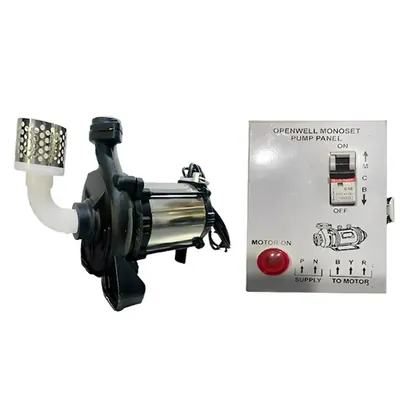
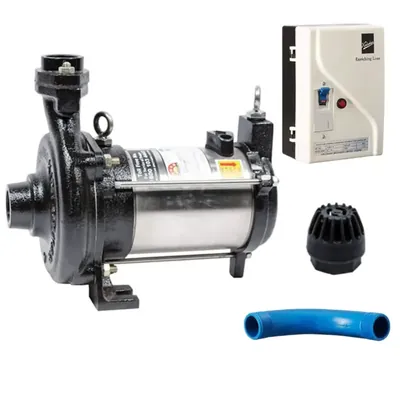
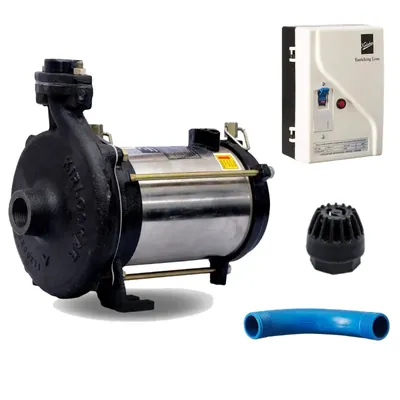
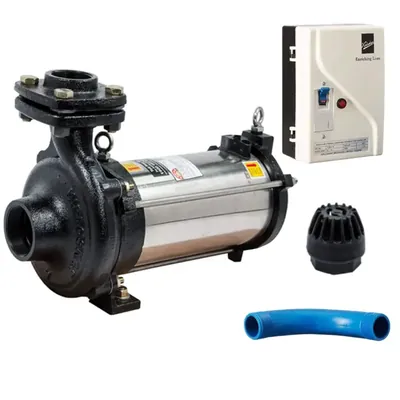
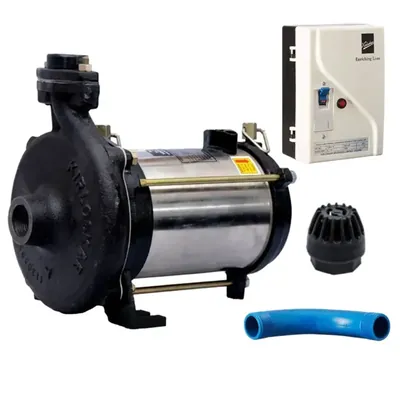
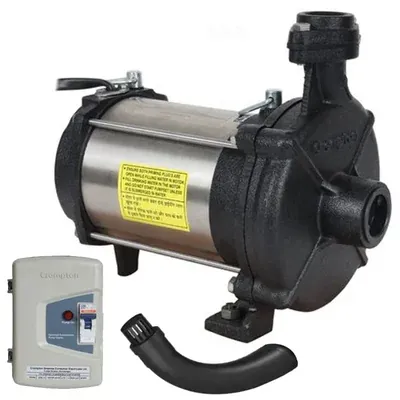
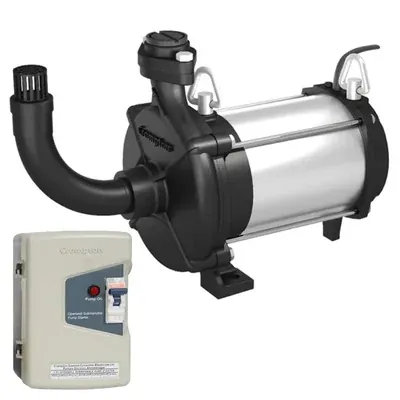
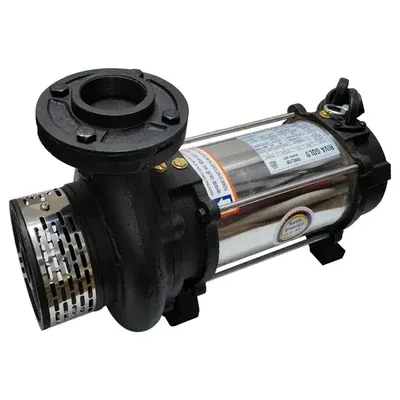
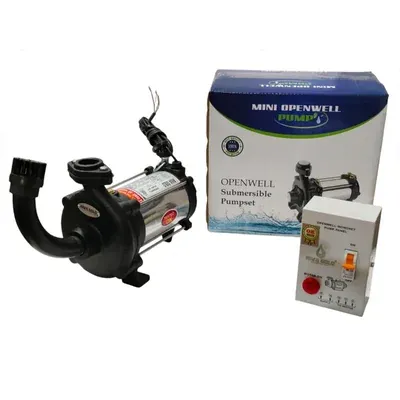
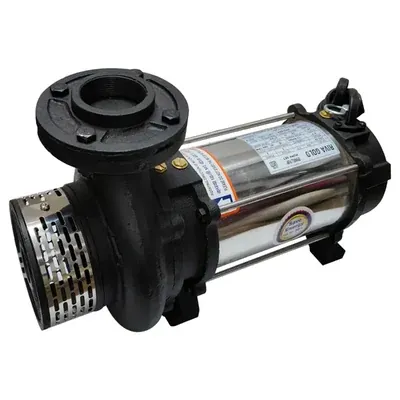
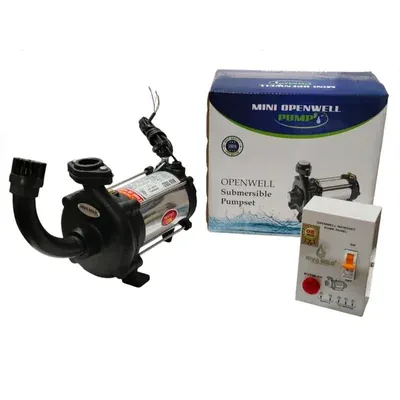
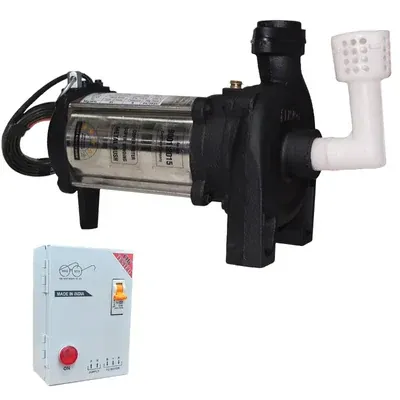
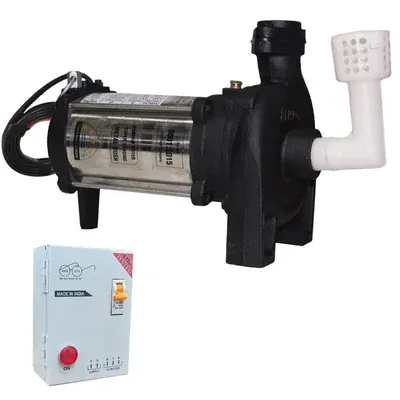
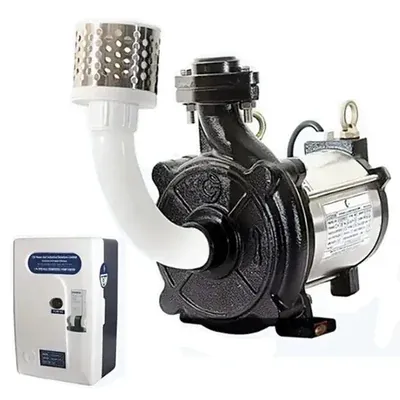
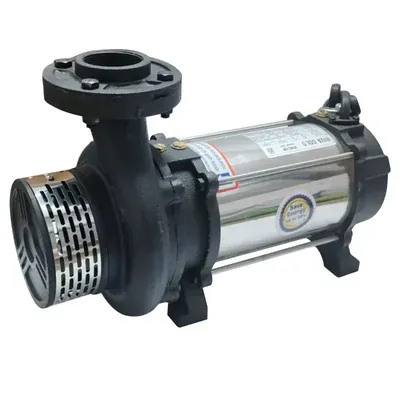
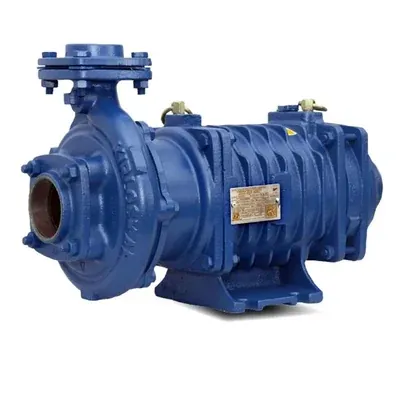
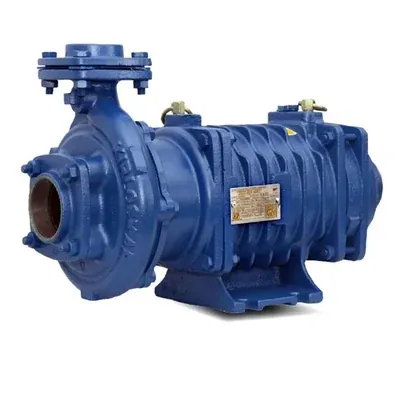
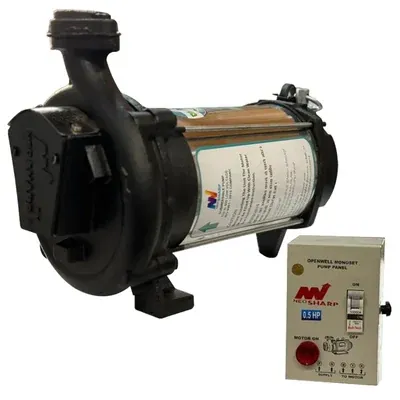
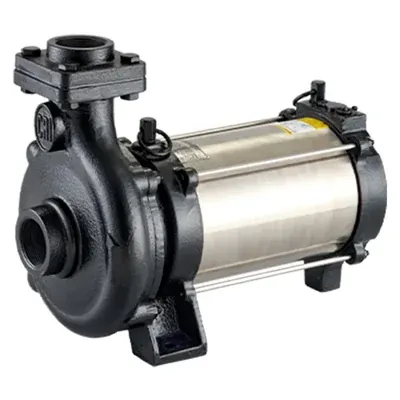
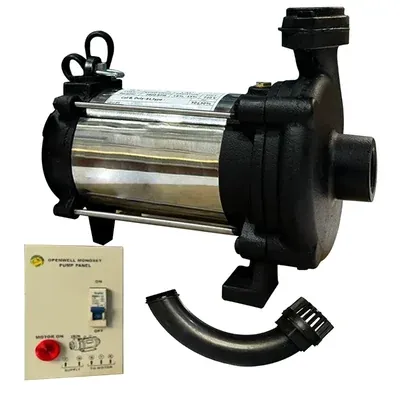
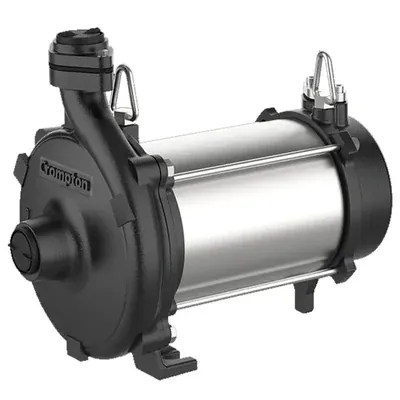
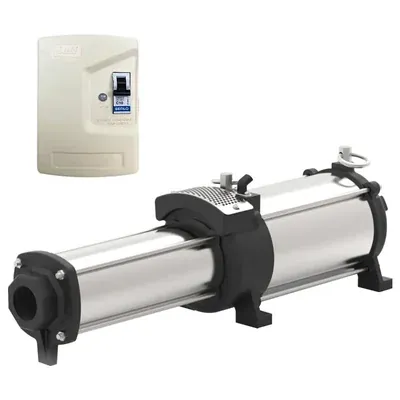
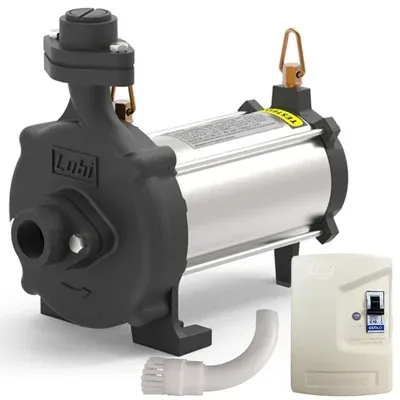
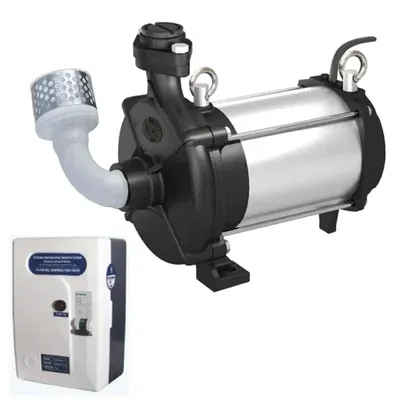
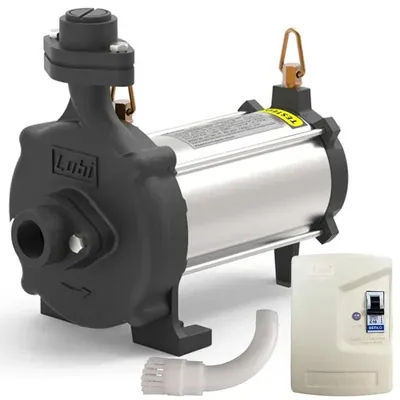
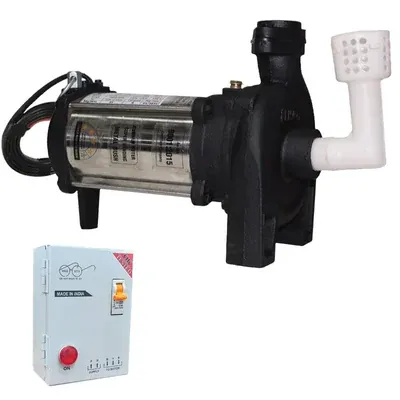
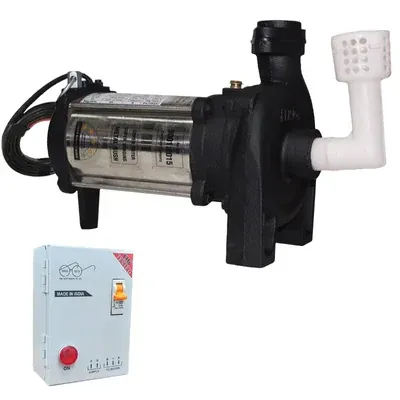
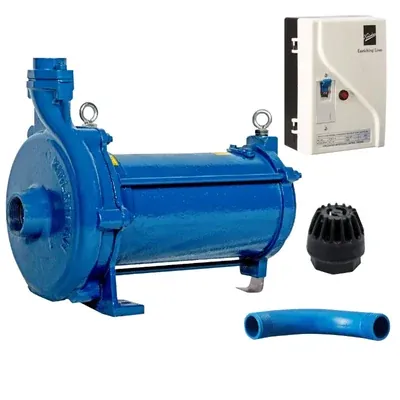
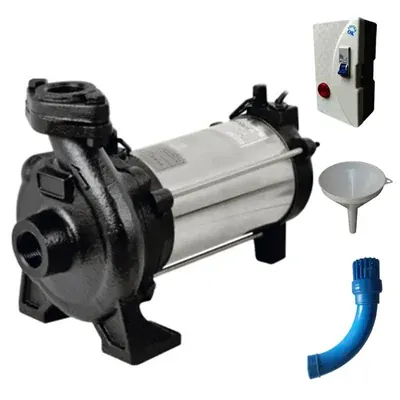
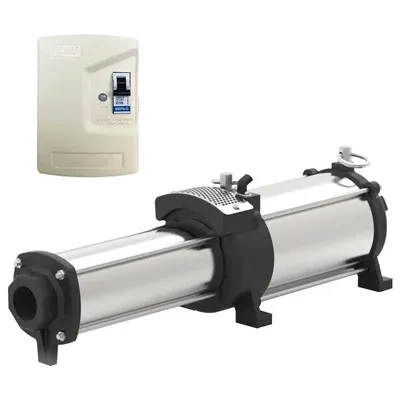
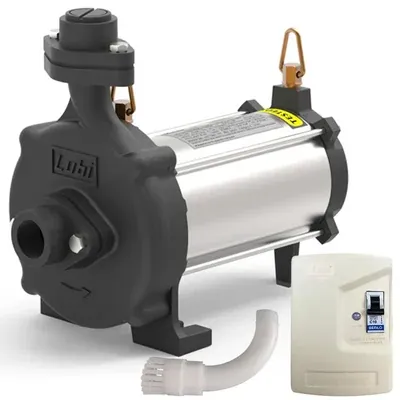
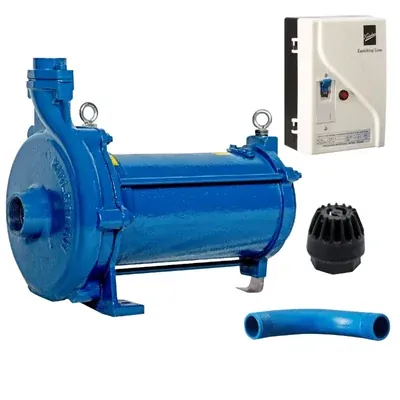
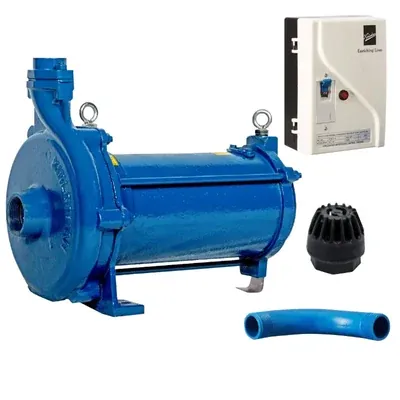
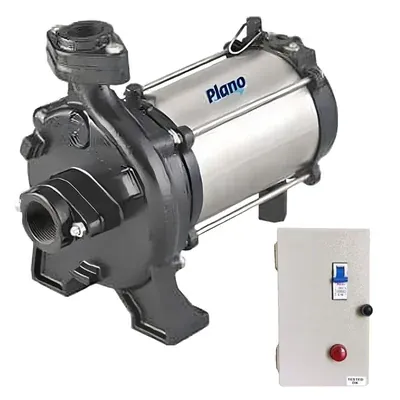
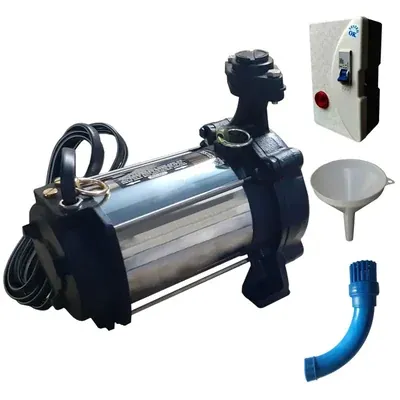
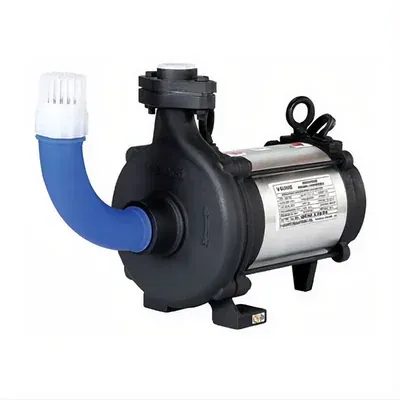
Top 10 Best-Selling Open Well Pump price list for October 2026
Open Well Submersible Pump: What You Are Actually Buying
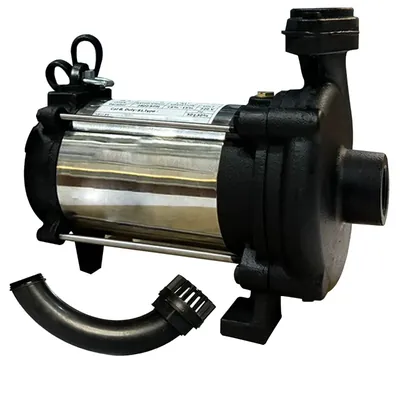
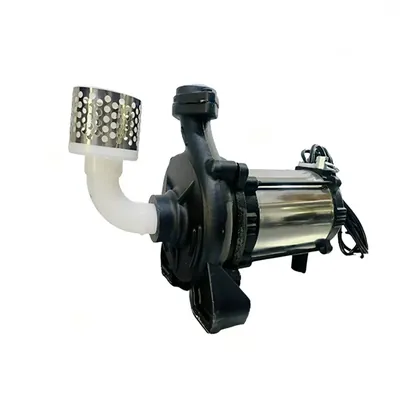
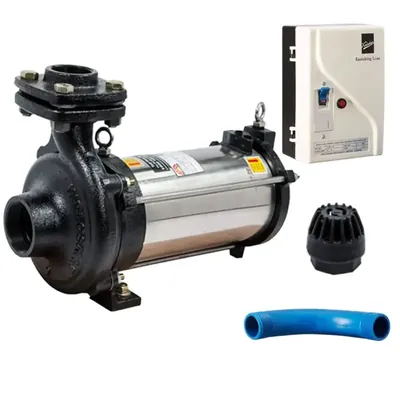
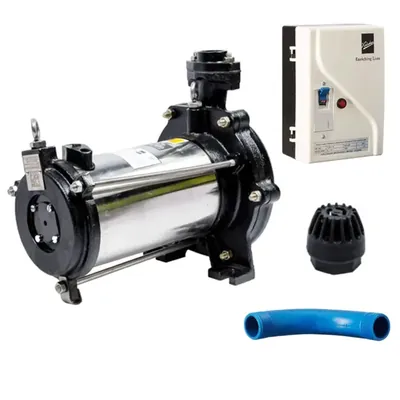
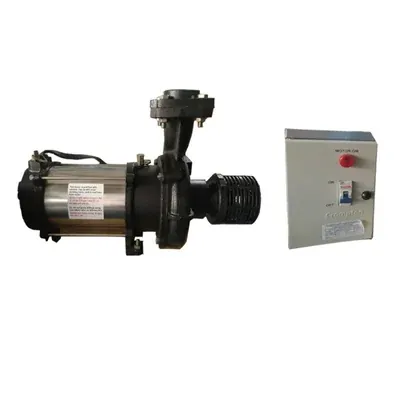
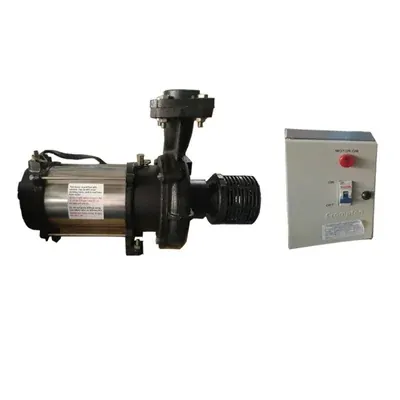
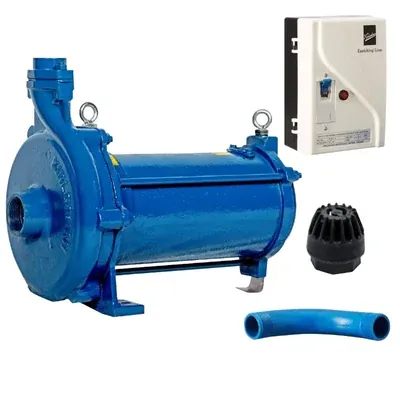
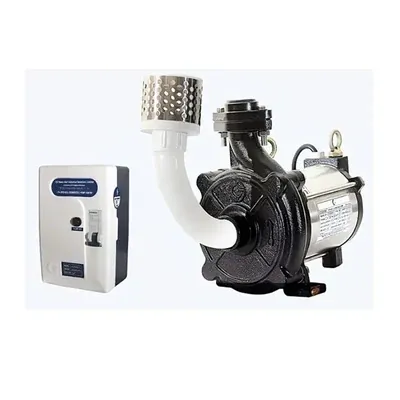
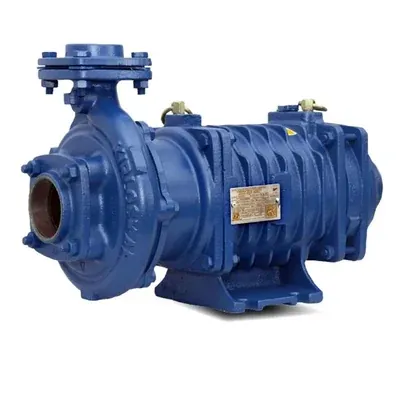
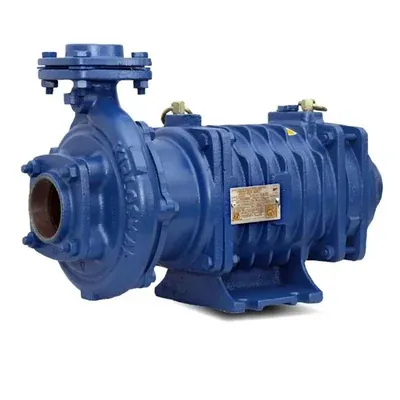
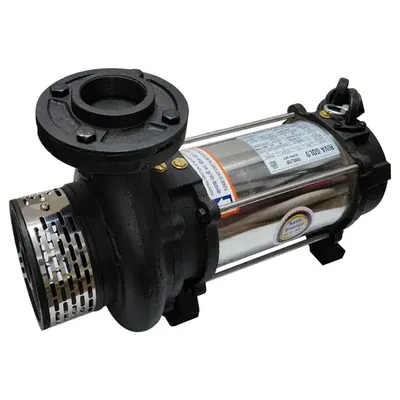
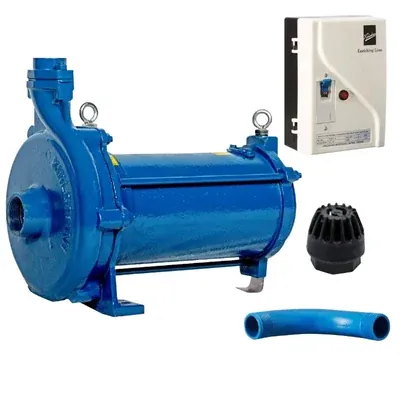
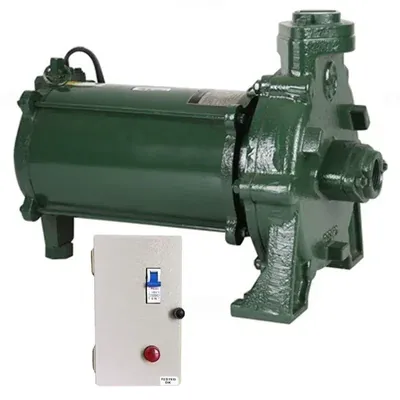
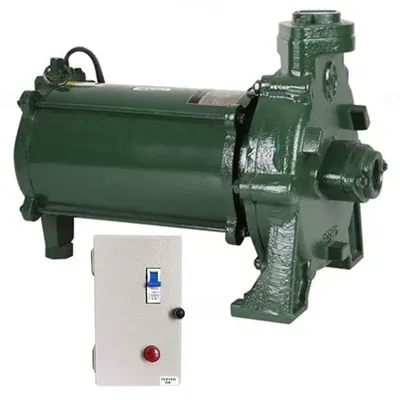
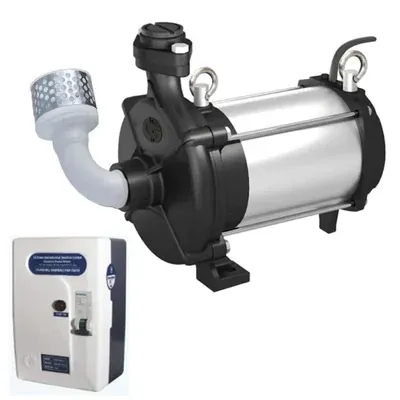
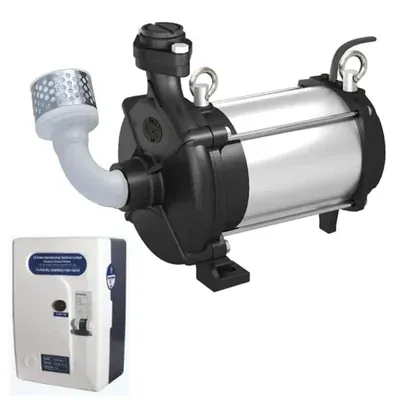
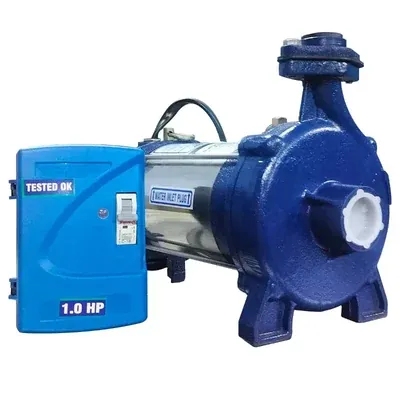
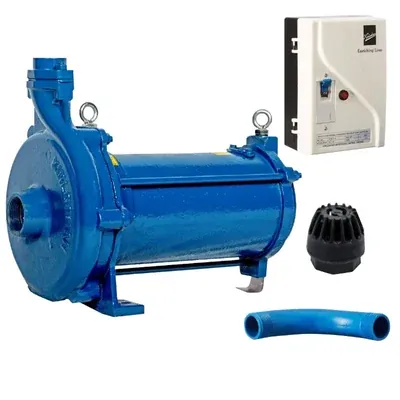
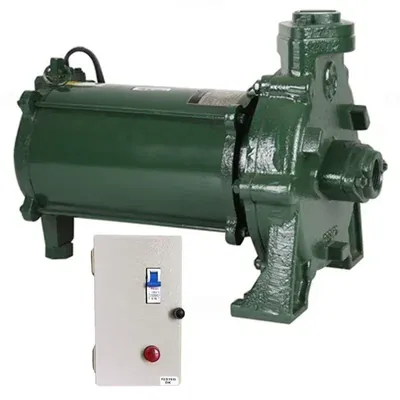
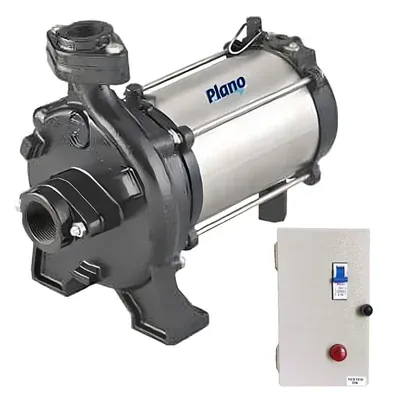
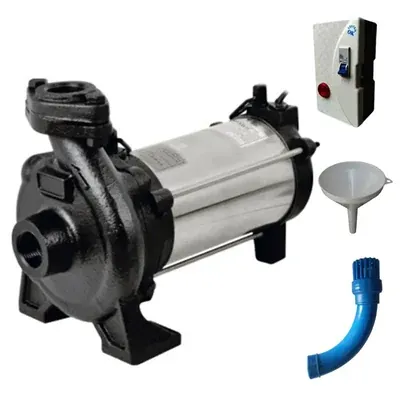
An open well submersible pump is a motor-and-pump set that is lowered into a wide, shallow water source, such as a dug well, farm pond or storage tank, and pushes water up a delivery pipe. It is built for volume at moderate head rather than for the long lift of a narrow bore. Buyers also write it as "openwell pump" or "open well pump", and the range runs from small mini sets to heavier irrigation sizes.
This page sits under Water Pumps and Motors and covers about 67 models. Most are 0.5 HP to 3 HP, one listing goes to 5 HP, and prices run from roughly ₹4,700 to ₹31,000. Brands include Kirloskar, CRI, CG Power, Riva Gold, Crompton, Lubi and ENJOY. Names vary a lot, so the sections below explain how to read them.
Open Well, Borewell or Surface Pump for Your Water Source
Choose by where the water is, not by what the pump is called. If you can look down and see the water in a wide well or pond, you want an open well pump. If the water is in a narrow drilled bore, you want a borewell pump.
| Your water source | Pump family | Why |
|---|---|---|
| Dug well, 3 to 15 m deep, wide opening | Open well submersible | Wide body, high flow at moderate head |
| Farm pond or storage tank | Open well submersible | Sits low in the water, no priming |
| Narrow drilled bore | Borewell submersible | Slim body made for long lift |
| Water within suction reach, pump stays on the bank | Monoblock or surface pump | Easy to inspect, but needs priming |
Open well and borewell pumps are both submersibles, which is why dealers mix the names, and some makers say an open well set can also work in a wide bore. Do not assume it: compare the pump's outer diameter and head with your bore, and read the product page first. Bore sizes and stages are covered on the borewell submersible pump page, so they are not repeated here. If your pump will stand on the bank and suck water up, see monoblock pumps instead.
Measure the Well in Its Worst Month First
Size an open well pump for the lowest water level of the year, because that is when the pump has to work hardest. A dug well that looks generous after the monsoon can fall by several metres by May, before the rains refill it, and the pump must still sit under water then.
Take three readings with a weighted string: the depth to water now, the depth of the well floor, and the water mark left on the wall in the driest month, which neighbours or the old pump's marks can tell you. The gap between the lowest water mark and the bottom is your usable column. Always keep the pump intake well below the lowest level, and above the silt on the floor.
A well is also a limited reservoir, not a river. If it has about 3 m of water and is 4 m across, it holds roughly 37,000 litres. A pump delivering 200 litres a minute would empty that in about three hours if nothing seeped back in. Slow recharge is why many wells suit shorter, repeated running.
Head, Flow and Litres per Day for Irrigation
Total head is the vertical lift from the lowest pumping water level to the delivery point, plus the friction in the pipe. As a rule of thumb, add a few metres for friction on a long pipe run, more if the pipe is narrow or has many bends.
Here is a worked example. Water falls to 9 m below ground in summer, the outlet is a field tank 4 m above ground, and the pipe adds about 3 m of friction. The total head is about 16 m. Any pump you consider must still deliver useful flow at 16 m.
Flow falls as head rises, so a pump quoted with a large maximum head gives almost no water at that figure. Compare pumps at your working head, and if the product page gives only the maximum, call support and ask for the head and discharge figures before ordering. Then work backwards from the water you need:
- Flow in litres per minute multiplied by 60 gives litres per hour.
- 200 LPM for 4 hours gives about 48,000 litres a day.
- If the well cannot supply that, lower the flow target or split the running into two sessions.
Reading an Open Well Pump Spec Line
A spec line packs five facts: motor power, phase, head, flow and what ships in the box. Reading them in that order keeps the names from confusing you.
- HP: 1 HP is the most common rating in this range, followed by 0.5 HP, 2 HP and 1.5 HP. Higher HP means more power available, which can go into flow, head or both, so HP alone does not tell you what the pump delivers.
- Head in feet or metres: 80 ft is about 24 m, and 28 m is about 92 ft. Convert before comparing, and remember a maximum head is the figure at almost no flow.
- LPM: some listings, such as the Riva Gold 3 HP at 600 LPM, state discharge directly. When it is missing, ask rather than assume.
- Mini: in this range it appears on 0.5 HP and 1 HP sets, which suit a small orchard or garden.
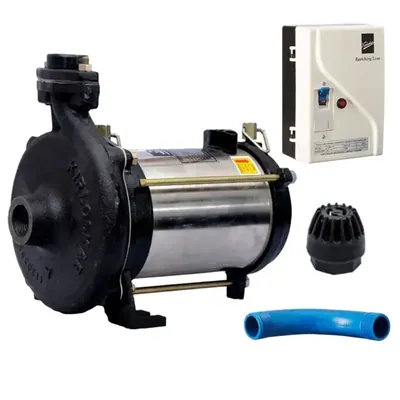
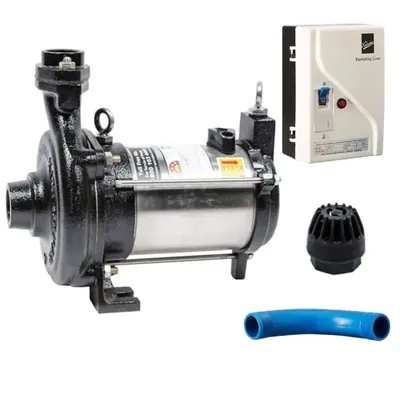
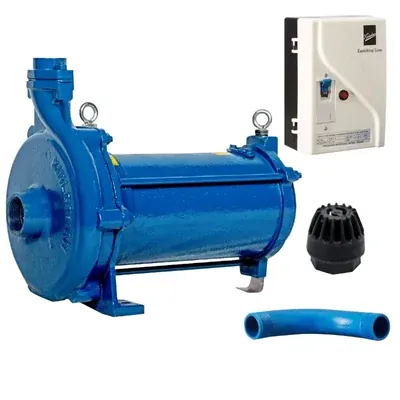
- Copper winding and CP: these name the motor winding and the control panel. Check the product page for exactly what comes in the box.
- Size pairs such as 32 x 25 mm: these appear in some names, so check the product page for which connections they refer to before you buy pipe.
Single Phase or Three Phase on a Farm
If your farm has only a single-phase connection, choose a single-phase pump; if you have a three-phase farm line, three phase suits bigger motors. Among listings that state a phase, single phase appears far more often, so most buyers here shop single phase.
A single-phase motor needs a capacitor and starter circuit to get turning, which is why so many listings include a control panel. On rural lines, voltage often sags when many pumps start together, and a motor that struggles to start on low voltage can overheat. Check the voltage range on the nameplate, use a cable thick enough for the run (a long thin cable adds to the voltage drop), and avoid starting at the weakest hour of the day.
Electrical work near water is dangerous. Make sure the pump casing, panel and supply are properly earthed, switch off at the mains before touching the cable, and use a qualified electrician for wiring.
Lowering the Pump Into a Dug Well
Hang the pump from its lifting lugs on a rope or chain, never from the cable or pipe, and leave the rope attached so the pump can be pulled out later.
At installation, check these:
- Check the silt depth on the well floor, and keep the pump above it so it does not draw mud.
- Use the delivery pipe size given on the nameplate, since a smaller pipe cuts discharge.
- Fit a non-return valve if the pipe rises high, so water does not run back and spin the pump.
- Add a float switch or other dry-run protection, because running dry heats the motor quickly.
- Never run against a closed delivery valve for more than a few seconds.
These parts are sold separately under pump accessories.
Summer Problems and What to Check
If an open well pump runs but delivers less water, the first suspect is the water level, not the pump. Work through the cause in this order.
| Symptom | Likely cause | What to check |
|---|---|---|
| Flow drops every afternoon | Well drawing down faster than it recharges | Measure the level before and after running |
| Air spitting from the pipe | Intake near or above the water surface | Lower the pump or shorten the run |
| Muddy water | Intake close to the silt layer | Lift the pump and clean the floor |
| Trips on start | Low voltage or weak capacitor | Check voltage and the control panel |
| Humming without turning | Jammed impeller or failed capacitor | Switch off at once and inspect |
Open Well Pumps in the ToolHaat Range
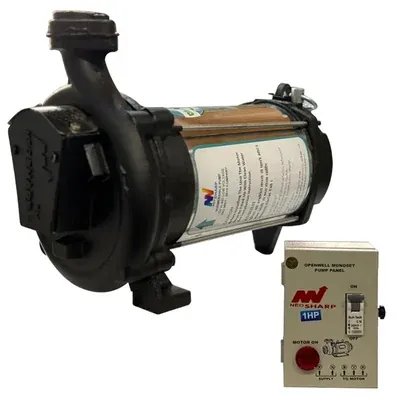
For a small orchard or a household tank, the lower end of the range includes the Neo Sharp 1 HP mini openwell pump and the ENJOY 0.5 HP mini openwell pump in the same range.
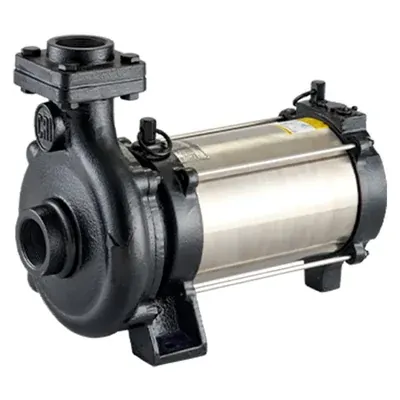
For heavier irrigation duty, compare the Riva Gold 3 HP openwell pump the Kirloskar 2 HP KOSi-216 CP. The CRI 2 HP CSS 14E names an ISI mark in its title, so check its product page for the certification details.
For the rest of an irrigation setup, browse agricultural tools.
Ordering for a Farm, a Project or Resale
Every order on ToolHaat carries a GST invoice, and each product page shows bulk pricing tiers with the minimum order quantity. Orders above ₹2,000 ship free, though heavy machinery may carry freight that is confirmed before dispatch; see the shipping policy.
If something arrives damaged or wrong, raise the request within 24 hours of delivery with an unboxing video, and send the item back within 3 days, as set out in the cancellations and returns policy. Manufacturer warranty claims follow the warranty policy.
For a custom specification or a large quantity, send a Request for Quote, or call or WhatsApp +91 92755 06722.