Motor Engine
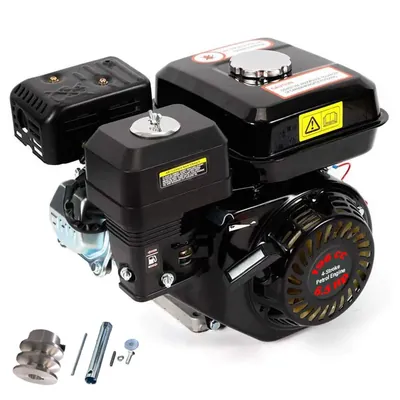
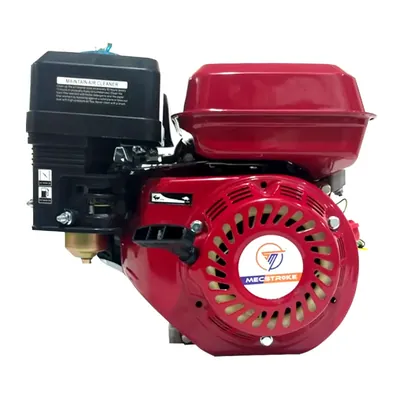
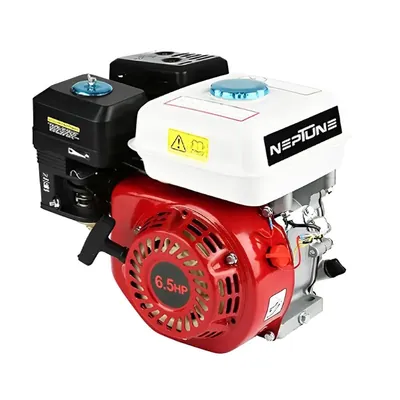
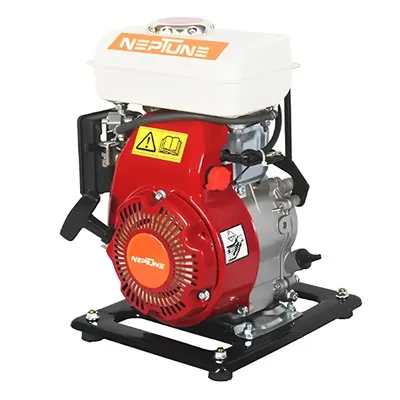
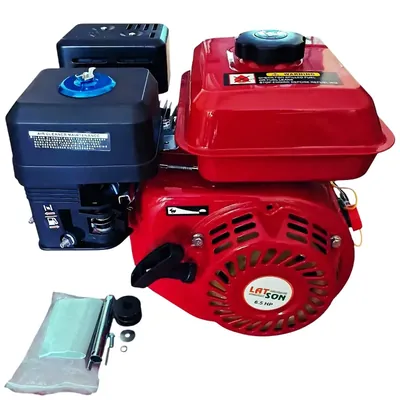
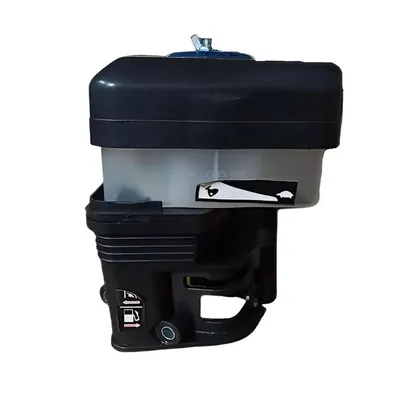
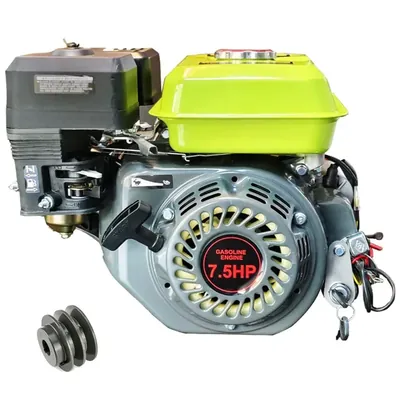
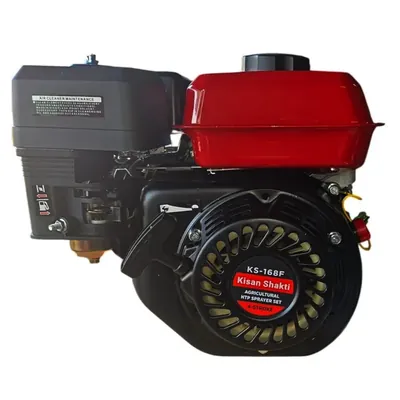
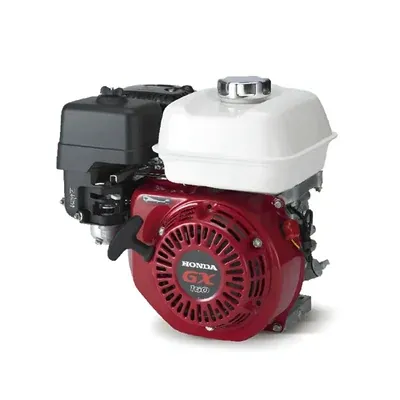
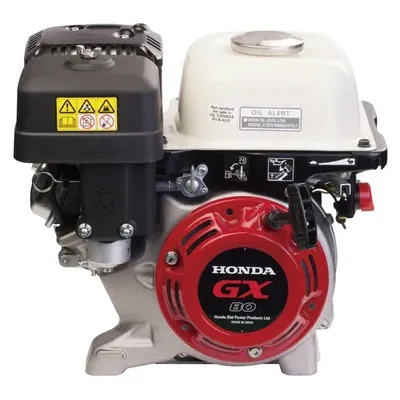
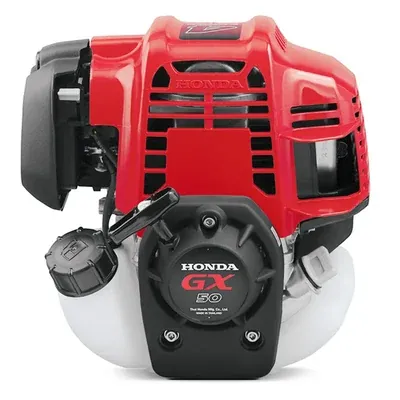
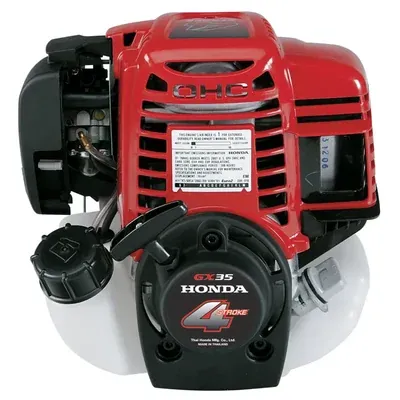
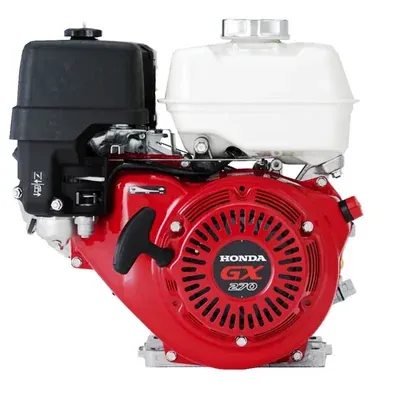
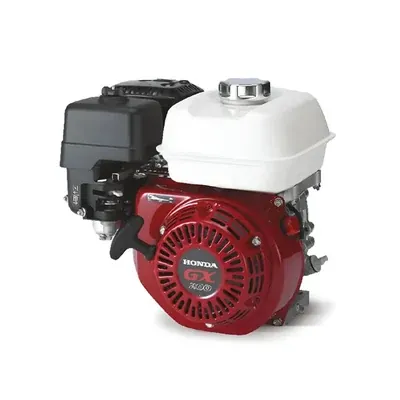
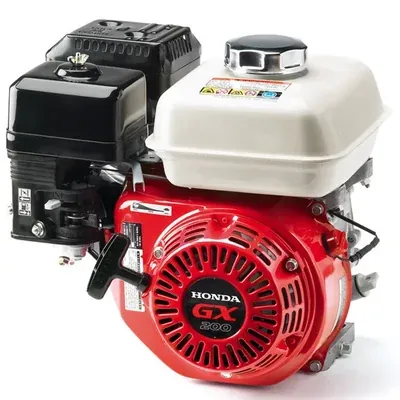
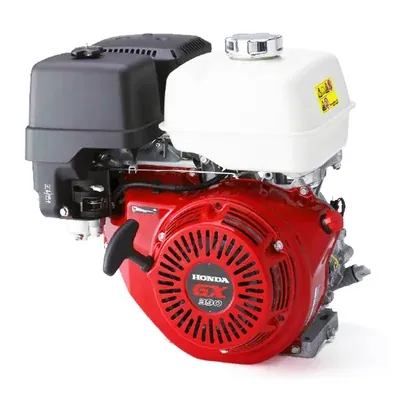
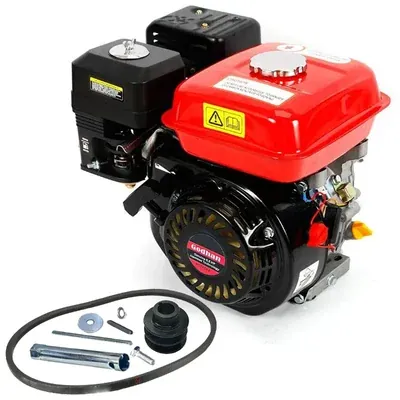
Top 10 Best-Selling Motor Engine price list for October 2026
Petrol Engine for Water Pump: Decide the Power Source First
A petrol engine for a water pump makes sense when the pump has to work where there is no dependable electricity, or when it has to move from one place to another. If the field has a steady connection and the pump stays at one spot, an electric motor is usually the simpler drive. Many wrong purchases in this category begin with picking an engine size before answering that question.
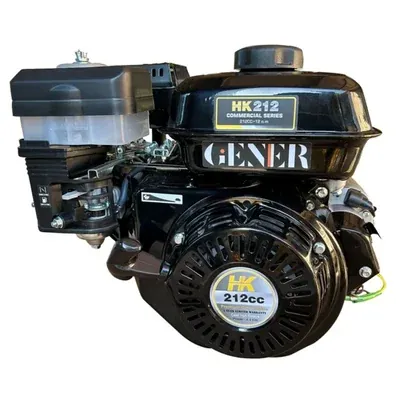
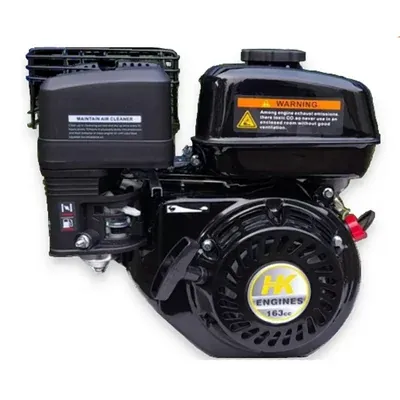
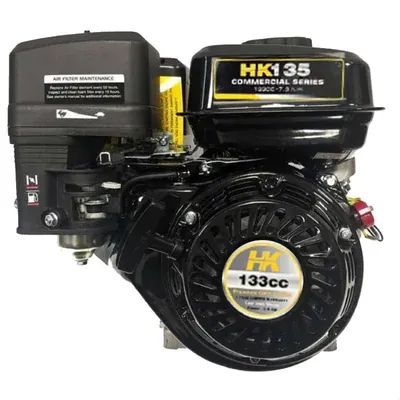
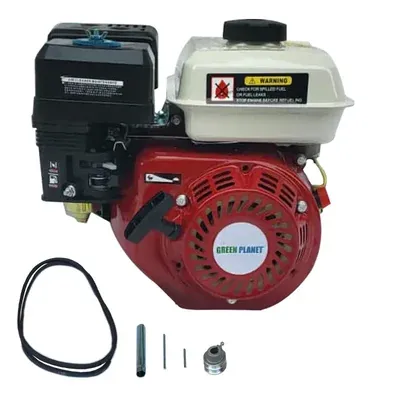
This page covers the engines in ToolHaat's Motor and Engine range, which sits under Water Pumps and Motors. You are buying the power unit here, not a complete pump set. Every engine sampled from the range is a petrol engine, from compact 1 HP units to models in the 8 HP and larger class, with Honda and GENER among the makers. Electric motors for pumps are on a separate page, water motors, so go there if your supply is a mains socket or a starter panel.
Engine or Electric Motor: Decision Rules
Choose by the job, not by the brand. The table gives the rule most buyers can apply in a minute.
| Your situation | Better choice |
|---|---|
| Field far from the grid, no line planned | Petrol engine |
| Frequent power cuts or low voltage in the irrigation season | Petrol engine as the dependable drive, or keep both |
| Pump runs many hours every day at a fixed spot | Electric motor |
| Pump moves between plots, pits or sites | Petrol engine |
| Short, occasional jobs such as clearing a pit after rain | Petrol engine |
| Quiet running near a house matters | Electric motor |
An engine trades convenience for upkeep. It needs fuel you carry, oil you change and an air filter you clean, and it is louder than a motor. A motor needs only a clean supply and a correct starter.
If you cannot decide, a mixed plan works on many farms: a motor on the borewell for daily use, and an engine kept as the backup and for the portable pump.
What the Motor and Engine Range Lists
The range holds about 29 models, priced from roughly ₹989 to roughly ₹66,000. Honda and GENER are the largest brands, and the rest are Neptune, Latson, Greenleaf, MECSTROKE and a few others.
| Class | What you will see in names | Typical job |
|---|---|---|
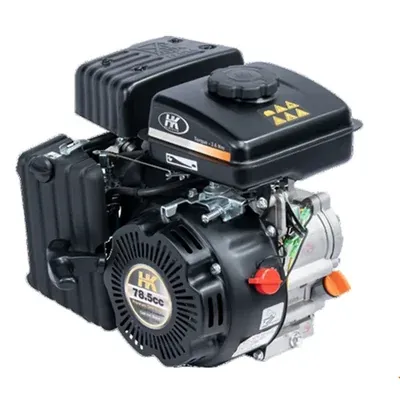
| Compact, about 1 to 2 HP | Honda GX35, GX50, Neptune 1 HP | Light portable pumps and small tools |
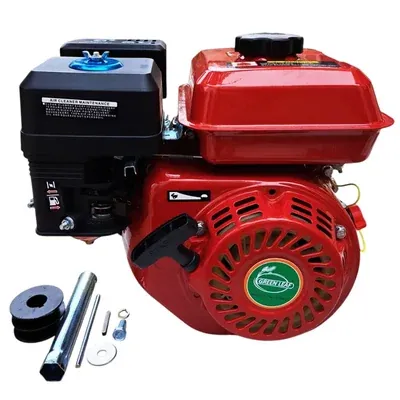
| Mid-size, 6.5 HP, 196 cc | Latson, Greenleaf, MECSTROKE, Neptune | The common size for 3 inch pump sets |
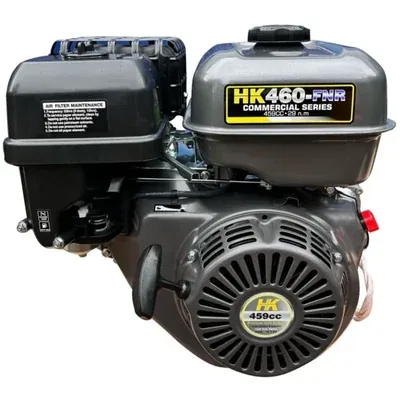
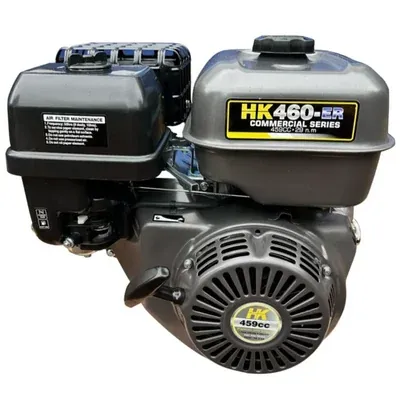
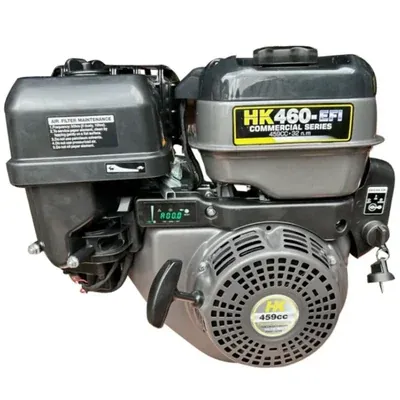
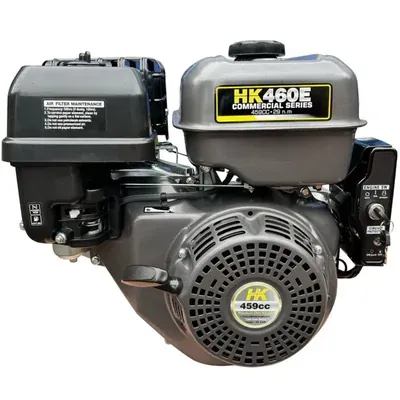
| Larger, about 8 HP and above | Honda GX270, GENER HK460 | Heavier duty and bigger pumps |
The 6.5 HP, 196 cc group is the biggest cluster in the data. Several are listed with a 3.6 L fuel tank and recoil or rope start, which makes them easy to compare side by side.
How to Read a Petrol Engine Name
An engine name packs the specification into a few tokens. Take this one: Honda 8.4 HP GX270 OHV 4 Stroke Single Cylinder Air Cooled Petrol Engine.
- HP: the rated power. Use it for sizing, with the headroom explained below.
- cc: the cylinder volume. Engines with the same cc and HP, such as the 196 cc, 6.5 HP group, are close in size and easy to compare.
- 4 Stroke: petrol goes in the tank and engine oil stays separate in the crankcase, so you never mix oil into the fuel.
- OHV or OHC: the valve layout. It shows in names such as GX270 OHV and GX35 OHC. A GX label alone does not reveal the layout, so rely on the product name and datasheet.
- Air cooled: fins and a fan cool the engine, so it needs open air flow and should not run in a closed shed.
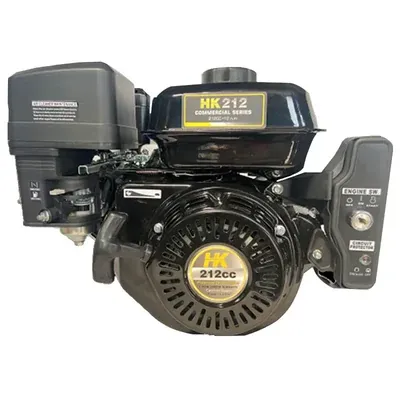
- Horizontal shaft: the output shaft points sideways, which is the form named in the GENER listings and a common one for driving a pump.
- Recoil or rope start: pull-cord starting, with no battery to maintain.
Fitting an Engine to a Pump: Power, Speed, Shaft
An engine drives a pump properly only when three things line up: power, speed and the shaft connection.
Power comes first. Engines are rated at peak output, and many makers advise running continuously below that figure. If a pump's datasheet says it needs about 5 HP, look at a 6.5 HP engine rather than a 5 HP one, then read the manual for the continuous rating.
Speed comes second, and it is where swaps go wrong. Every pump is designed to run at a certain rpm. The motors on the water motor page are mostly 4 pole units listed at around 1,440 or 1,500 rpm, while the small petrol engines here run at their own governed speed, which the maker states. Never assume the two match. Read the pump's rated speed and the engine's governed speed before you join them. If they differ, send the pump and engine details through Request for Quote before you order.
The shaft comes third. Measure the engine's shaft diameter and keyway and the pump's shaft, then choose a matching coupling and a rigid base so both stay in line. Pump accessories lists fittings. A monoblock pump needs no coupling at all, because its motor and pump already share one shaft, but that also means it is tied to its electric motor.
A Worked Example, Then Running Cost Without Guessing
Take a farm with a canal 300 metres from the nearest line, a 3 inch pump and a few days of irrigation each season. The steps are: check the pump's power need on its datasheet, pick an engine with headroom such as a 6.5 HP, 196 cc model, match speed and shaft, then add the coupling and base to the order. A motor would need a cable run and a starter for very few hours of use, so the engine wins here.
Running cost per season is the engine's fuel use per hour, multiplied by hours run and by today's petrol price, plus oil and servicing. Set that against the electricity bill an equal motor would run up, and add the cost of bringing a connection to the field if there is none.
The fuel use per hour is on the maker's data, and the petrol price is on the board at your nearest pump. Do not compare purchase prices alone. A cheap engine can still cost more per irrigation hour than a motor, while a pit that runs a few hours a year will never repay a grid connection.
If the pump runs for long hours every day, favour the motor. If it runs a few days a year or travels between sites, favour the engine.
Fuel, Oil and Storage: Habits That Protect the Engine
Use clean, fresh petrol, because dirty or stale fuel clogs the carburettor. Check the oil level before every start and change oil at the interval in the manual. Makers often ask for an early first change on a new engine, so read that page before the first season.
Before the monsoon break or any long idle spell, drain the fuel from the tank and carburettor, or follow the maker's storage steps. Keep the engine covered and dry, and wipe off dust, since a clogged air filter makes an engine run rough and wear faster.
Never refuel while the engine is hot or running, and keep fuel away from flames. The silencer stays hot after stopping, so let it cool before you touch it or refill.
Where Engine-Driven Pumps Earn Their Place
On a farm with no line to the field, a 6.5 HP engine with a 3 inch pump can lift water from a canal, a pond or an open well. For dug wells specifically, see open well pumps. At the tail end of a long supply line, where voltage sags in summer, an engine can also be the drive that keeps starting reliably.
On a building site after heavy rain, an engine on a portable pump can empty a pit with no cable laid across wet ground.
Run an engine outdoors or in a well ventilated place only. Exhaust gas is poisonous, and it builds up fast in a closed room.
Mistakes to Avoid Before You Order
- Buying by HP alone. A pump that needs a certain rpm will not deliver its rated flow at another speed, and a wrong shaft will not fit at all.
- Forgetting the coupling, base and fuel line, which are separate purchases. The engine alone cannot turn a pump.
- Choosing the exact HP the pump needs, which leaves no margin for continuous work.
- Running the engine at full load for hours without a break, which shortens its life.
- Starting with low oil or a dirty air filter.
- Storing it with fuel in the tank through the off-season.
Ordering Engines From ToolHaat
Each product page shows the minimum order quantity and tiered pricing, and every order includes a GST invoice. Delivery is across India, free above ₹2,000, and heavy items may carry freight confirmed before dispatch. A return needs a request within 24 hours of delivery with an unboxing video; see cancellations and returns.
For a dealer stock order or a project that needs several engines, send the details through Request for Quote. Engines such as the GENER HK460ER and the Neptune 6.5 HP NPE-168 make good starting points for comparison.