Dewatering Sewage Pump
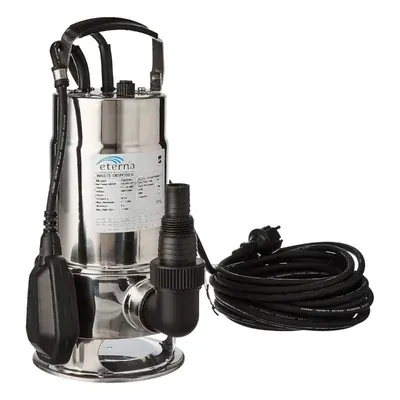
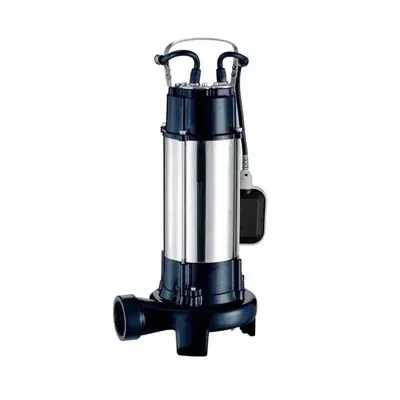
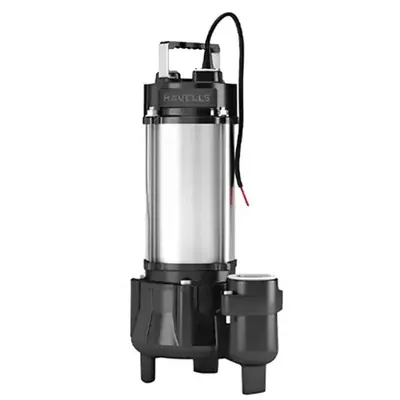
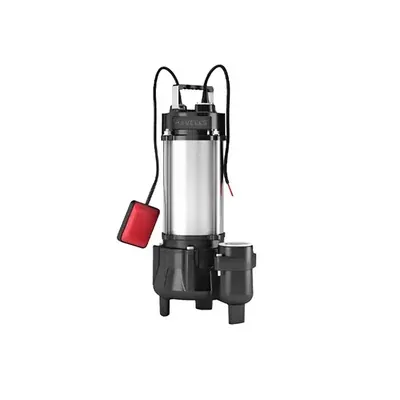
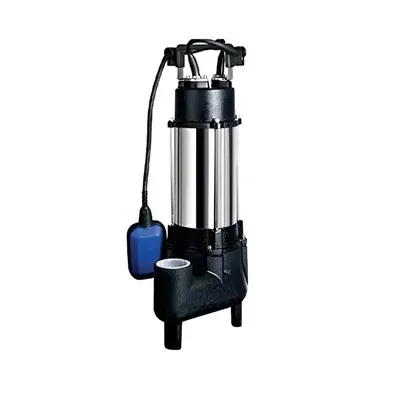
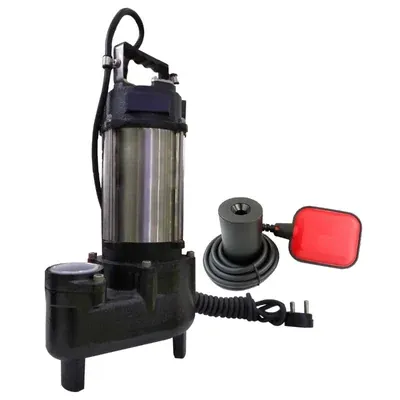
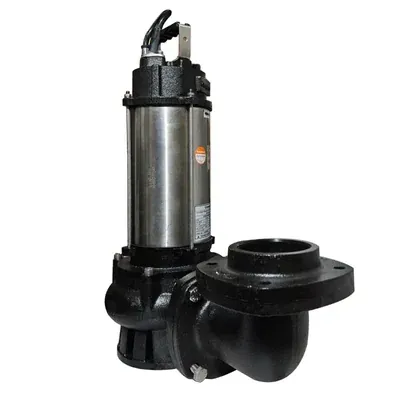
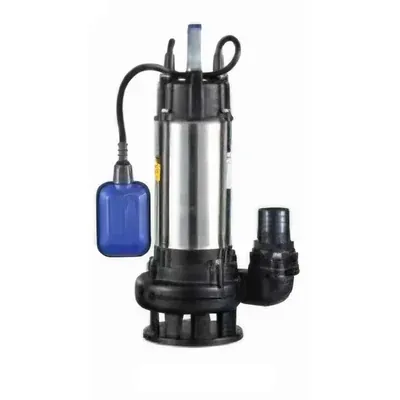
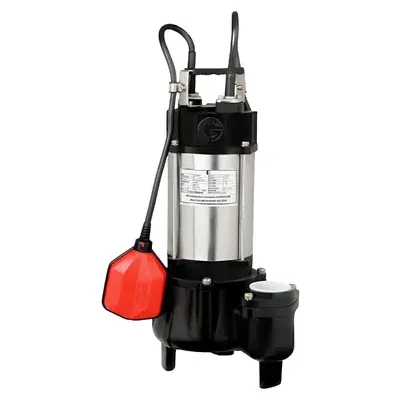
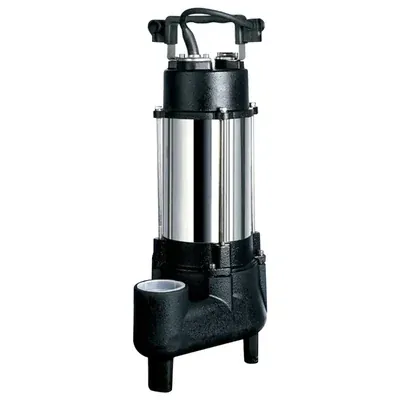
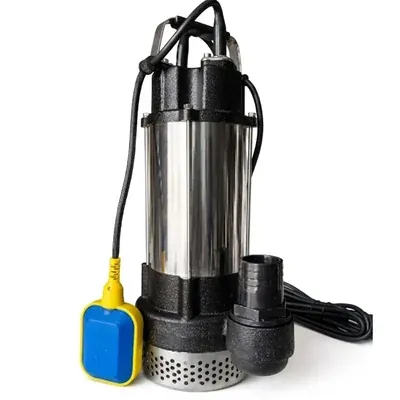
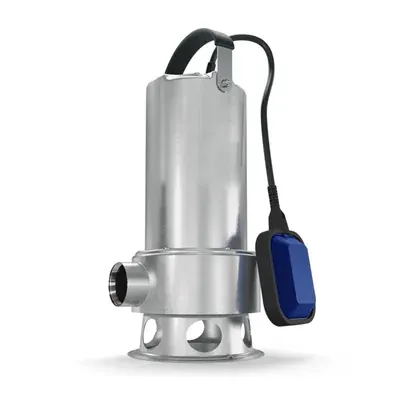
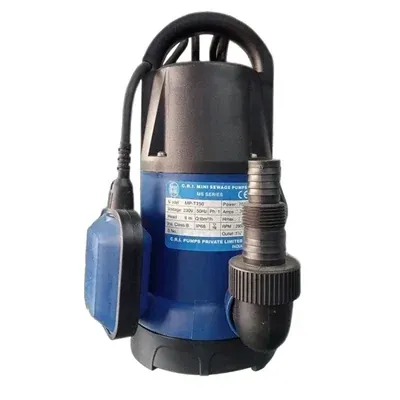
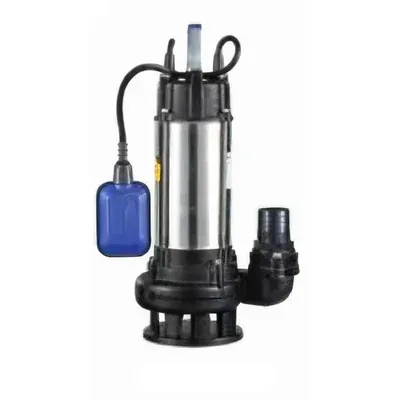
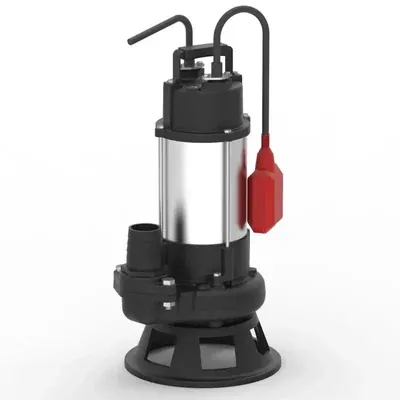
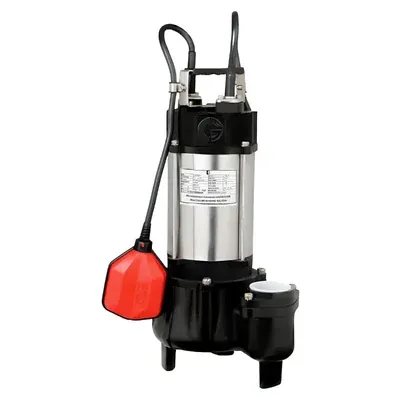
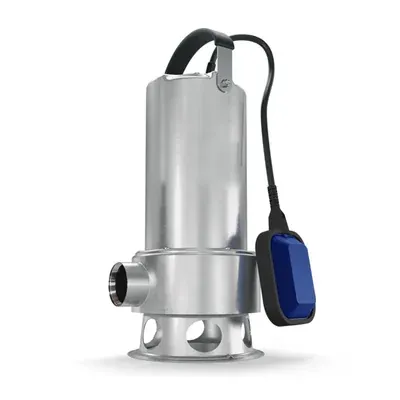
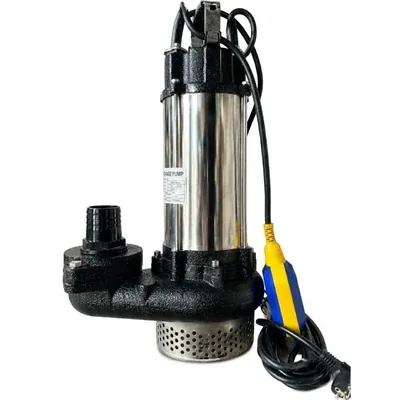
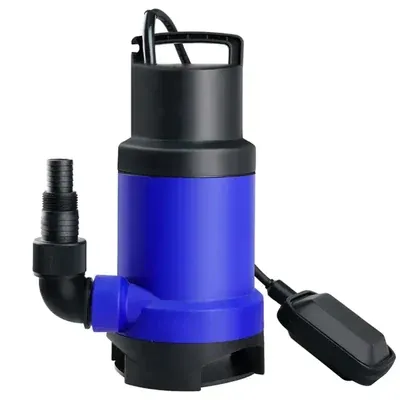
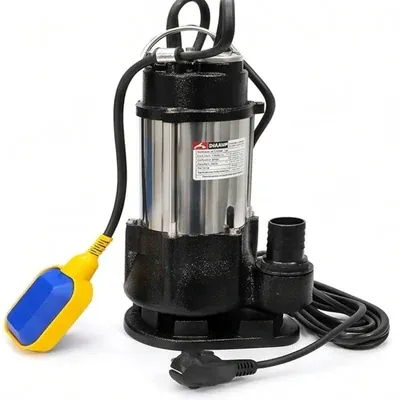
Top 10 Best-Selling Dewatering Sewage Pump price list for October 2026
Dewatering Sewage Pump: What This Category Really Covers
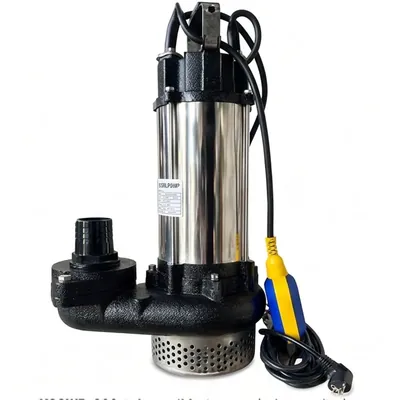
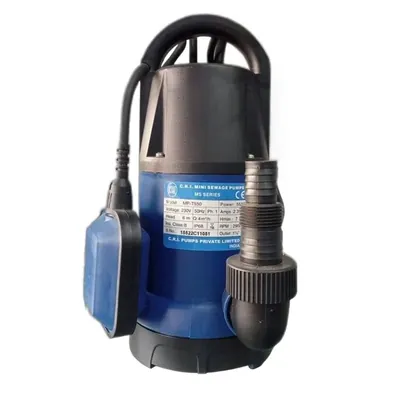
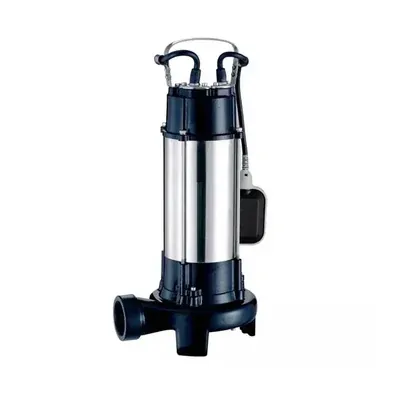
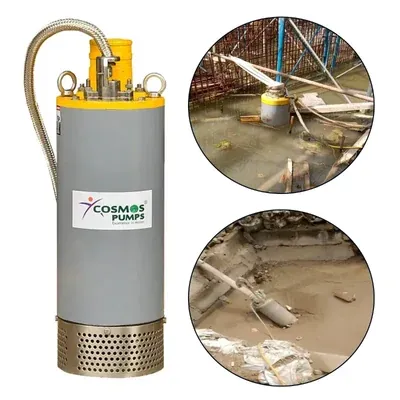
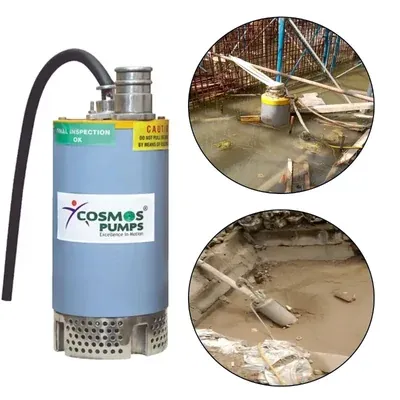
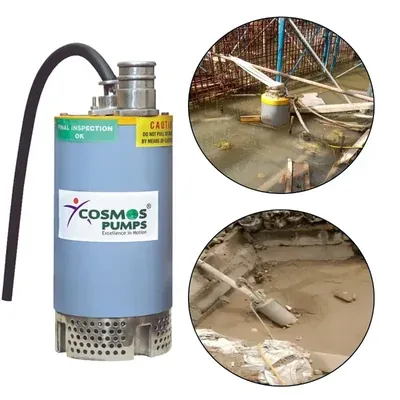
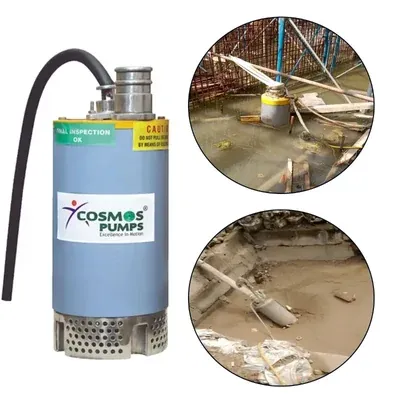
A dewatering sewage pump is a pump built to move dirty water, meaning water that carries silt, grit, leaves or soft solids that would damage a clean-water pump. The 38 models in this ToolHaat range are mostly submersible units that sit in a pit, sump or drain and push the water out through a hose or pipe. Ratings run from about 0.5 HP to 7.5 HP, and prices from roughly ₹5,000 to ₹1.7 lakh, with single phase and three phase models both listed. You can compare makes such as Crompton, CRI, Cosmos, Kirloskar, Havells and V-Guard side by side.
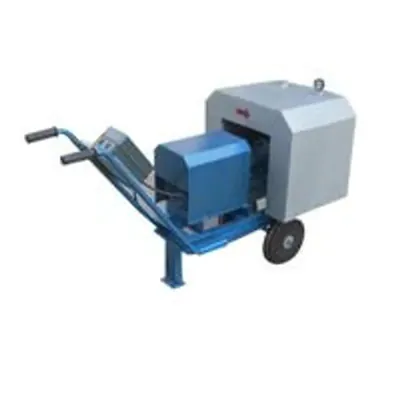
The name is looser than the machines. Sellers use "dewatering", "drainage" and "sewage" interchangeably, and one listing is a commercial vacuum de-watering pump, which is a different kind of machine from a submersible. So read each listing for what it passes and how it is driven, not just for the label. If your water is clean and comes from a borewell, you want the submersible pump page instead. For the wider range, start at water pumps and motors.
Clear, Muddy or Foul: Classify the Water First
The type of water decides the type of pump, so name it before you look at HP. Most jobs fall into one of three groups.
| Water type | Where you meet it | What it does to a pump | What to look for |
|---|---|---|---|
| Clear or lightly dirty seepage | Basement after rain, a pit with groundwater | Fine sand slowly wears seals and impeller | Dewatering or drainage pump, with a strainer |
| Muddy, gritty site water | Foundation pits, trenches, excavations | Abrasion, stones jamming the inlet | Sturdy body, stated solids size, strainer or screen |
| Sewage and greywater | Drain sumps, septic and STP sumps, toilet blocks | Soft solids, fibres and rags wrap around the impeller | Sewage-rated pump with vortex, non-clog or cutter impeller |
If the water is only muddy, a dewatering pump is usually enough. If it carries toilet waste, kitchen waste or cloth, choose a pump described as sewage-rated. Acidic or chemical liquids are a separate problem, and the special pumps page is the better place to look.
Vortex, Non-Clog and Cutter Impellers in Plain Words
The impeller is the rotating part that throws water outward, and its shape decides which solids get through. Three designs cover most of what you will see.
- Vortex: the impeller sits back from the inlet and spins the water into a whirl, so soft solids drift through with little contact. It resists clogging but is usually less efficient. Choose it for muddy water with soft solids and fibres. The Kisan 3 HP listing below names a vortex impeller.
- Non-clog: wide passages let larger solids pass whole and the design is generally more efficient. Choose it for steady sewage flow where solids are mostly soft.
- Cutter: blades shear fibrous material such as rags or wipes before it enters the pump. Choose it when cloth and wipes regularly reach the sump. It reduces solids to smaller pieces rather than passing big ones whole.
Putting it together: if the water is mostly mud, choose vortex; if it is toilet and kitchen waste, choose non-clog; if wipes and rags are common, choose cutter. If the product page does not say which impeller is fitted, ask before you order.
The Solids Size Number to Find on the Datasheet
The free passage, sometimes called the solids handling size, is the largest solid the pump can pass without choking. There is no single standard that separates a dewatering pump from a sewage pump, and brands differ. As a loose guide, dewatering pumps often pass solids in the range of a few tens of millimetres at most, and sewage pumps are made for larger ones.
Use this short checklist before you buy:
- Find the stated solids size and compare it with the biggest thing likely to fall in, such as stones, brick bats, rags or leaves
- Keep the delivery pipe or hose at least as large as the pump outlet, because a narrower line chokes the flow and can block it
- Put a screen or strainer over the inlet in pits where stones or debris are common
- If the datasheet is silent on solids size, ask support or send a Request for Quote before you commit
Duty Cycle: A Site Pit Is Not a Borewell
Dewatering pumps run in two very different patterns, and the pattern matters more than HP. A site pit may need the pump for many hours a day over weeks. A basement or drain sump needs short runs, started and stopped by a float switch as the level rises and falls.
For long running, check the datasheet for continuous duty and for the minimum water level around the motor, because a submersible motor relies on surrounding water to stay cool. Never leave it running dry or half out of the water. For float-switch sumps, make the sump big enough that the pump does not start every few seconds, since frequent starts heat the motor. Floats, non-return valves and cables are covered on the pump accessories page.
To size flow and head, work out how fast water enters the pit and choose a pump that clears it faster. Then add the vertical lift to the discharge point and an allowance for hose friction, and read the performance curve at that head. A pump that looks fine on flow alone can deliver much less at your real head.
On supply, single phase suits smaller pumps on ordinary 230 V supply. Larger pumps usually run on three phase. On a site running from a generator, remember that a motor draws several times its running current when it starts, so the generator must be sized for that. Long cables lose voltage, so keep the run short and the cable thick enough.
On the discharge side, fit a non-return valve so the water in the pipe does not fall back into the pit, and keep the hose short and free of kinks. Before the monsoon, clean the inlet screen and test the float by lifting it by hand.
Matching the Job: Pits, Basements, Drains and STP Sumps
Find the row closest to your job, then confirm the details on the product page. For a sump pump for basement seepage, think single phase and a float switch; a drain or STP sump calls for a submersible sewage pump.
| Job | What to prioritise | Listing to look at |
|---|---|---|
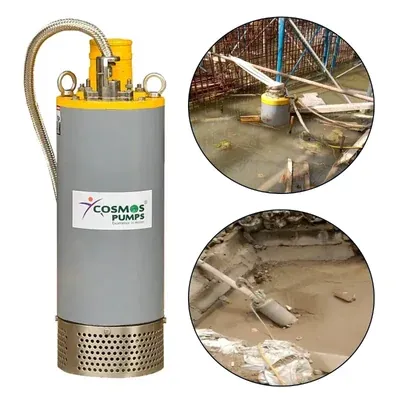
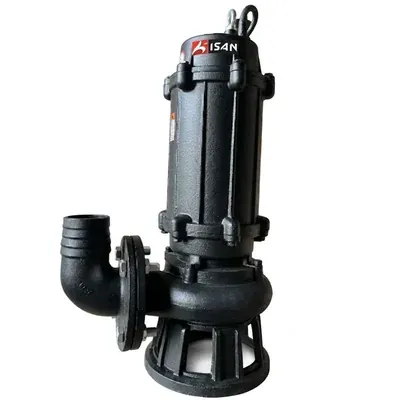
| Foundation pit or trench | Flow, solids size, three phase supply if available | Cosmos 1.5 HP three phase dewatering sewage pump |
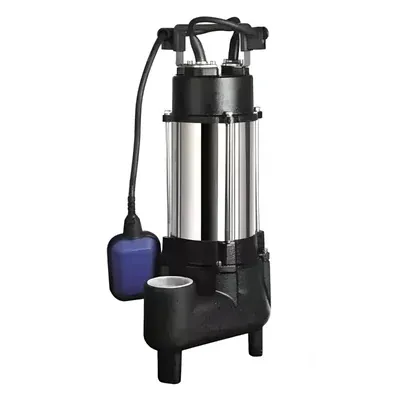
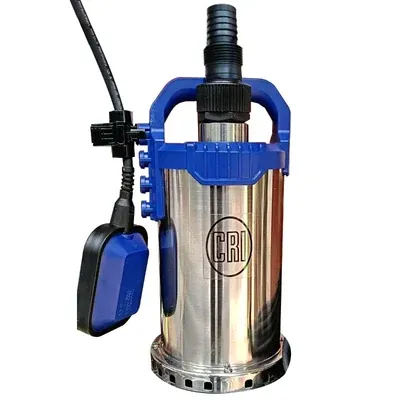
| Basement or small cellar | Single phase, float switch, compact size | CRI 1 HP sewage and drainage pump with float switch |
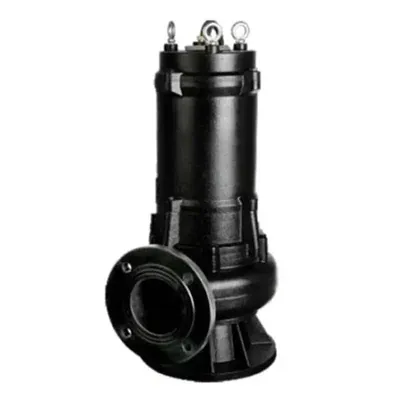
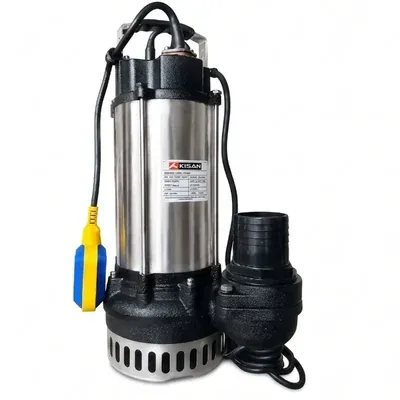
| Drain, septic or STP sump | Sewage rating, vortex or non-clog impeller, seal type | Kisan 3 HP vortex impeller sewage pump |
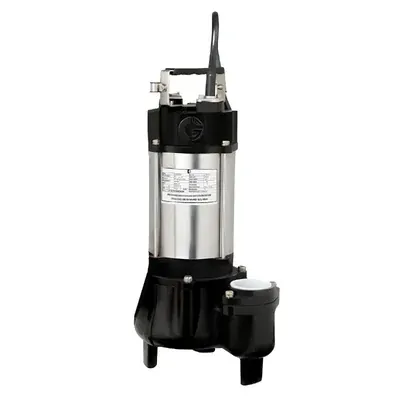
| A different type of machine | Confirm how it is used and what it is rated for | Heavy duty commercial vacuum de-watering pump |
Electrical Safety Around Wet Pumps
Water and mains electricity are a dangerous pairing, so treat every wet pump as live until proven otherwise. This is general guidance and does not replace a licensed electrician or your site safety officer.
- Switch off and isolate the supply before touching, moving or lifting a pump
- Lift the pump on a rope or chain, never by its power cable
- Make sure the pump and panel are properly earthed, and ask your electrician about a residual current device (RCCB) on the circuit
- Keep plugs, joints and starters above water level, and avoid taped-up cable joins lying in a wet pit
- Inspect the cable for cuts and the pump for leaks before each use
- Never connect a generator to building wiring without a proper changeover arrangement
Sewage Sumps and Confined Spaces
Treat any closed sump, tank or manhole as dangerous until trained people have tested and ventilated it. Sewage gives off gases such as hydrogen sulphide, which is heavier than air and can be released when the water is disturbed. Low oxygen and flammable gas are also possible, and your nose is not a reliable alarm.
Do not climb in to retrieve a pump, and never go in after a worker who has collapsed. Rescuers are often among the casualties in confined-space incidents. Where possible, fit the pump so it can be raised from outside on a chain or guide rail. If entry is truly necessary, it should follow your site permit and local rules, with power isolated, gas testing, forced ventilation, an attendant outside and a rescue plan.
Handling sewage also carries a hygiene risk. Wear gloves and boots, cover cuts, and wash well afterwards. A pump never makes a sump safe on its own.
Ordering Dewatering and Sewage Pumps on ToolHaat
Every order carries a GST invoice. Bulk and tiered pricing is shown on each product page along with the minimum order quantity, and contractors fitting out several pits or a society replacing sump pumps can send the requirement through the Request for Quote form.
Delivery runs across India, free above ₹2,000, though heavy machinery may carry freight confirmed before dispatch; see the shipping policy. Return or replacement requests must be raised within 24 hours of delivery with an unboxing video, and the item sent back within 3 days, as set out on the cancellations and returns page. Manufacturer warranty claims follow the warranty policy. For help matching a pump to your pit or sump, call or WhatsApp +91 92755 06722 or write to support@toolhaat.com. Tell us the water type, the lift and your supply, and we will help you narrow the choice.