Booster Pump
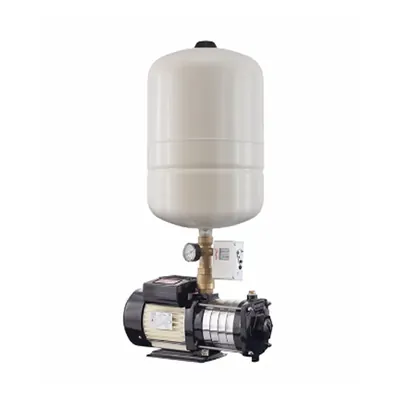
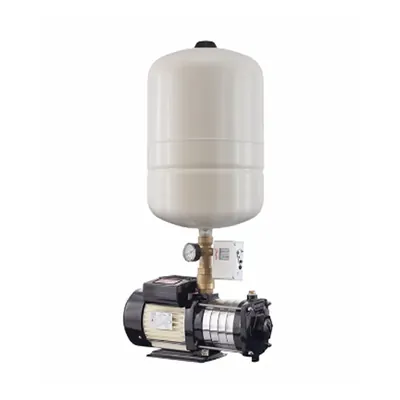
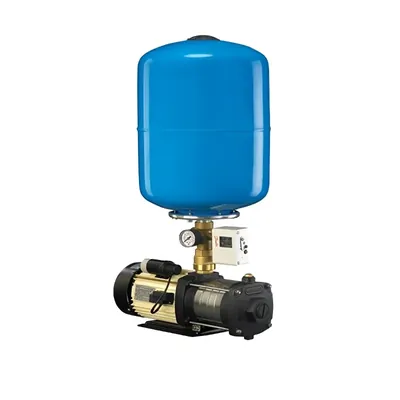


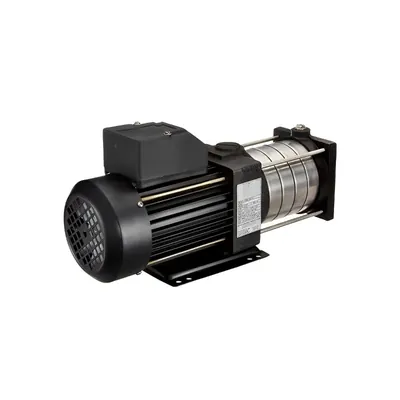
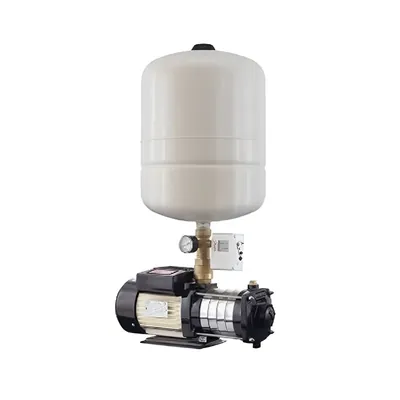
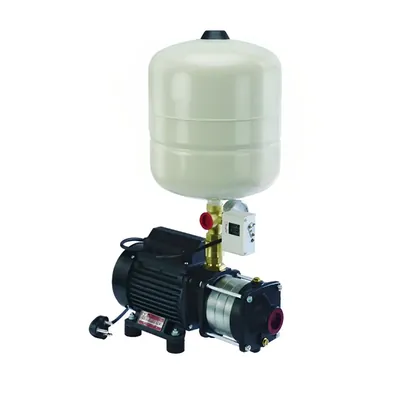
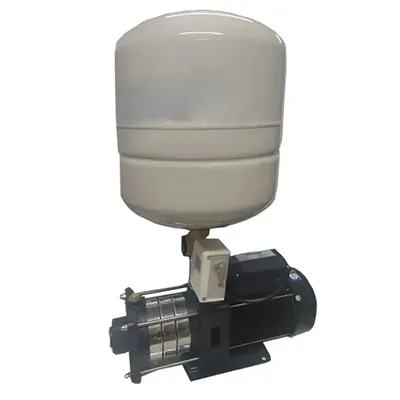
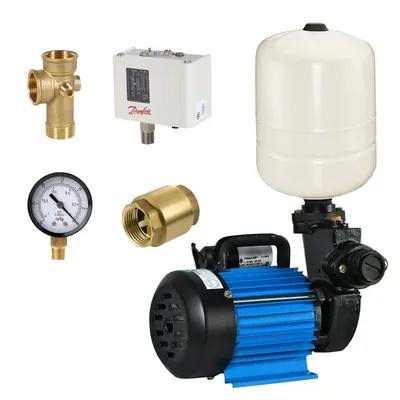
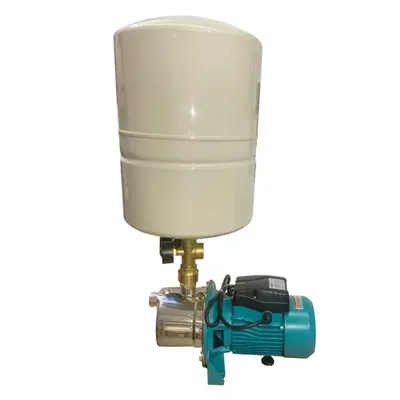
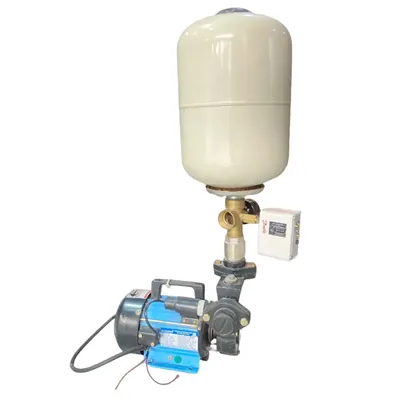
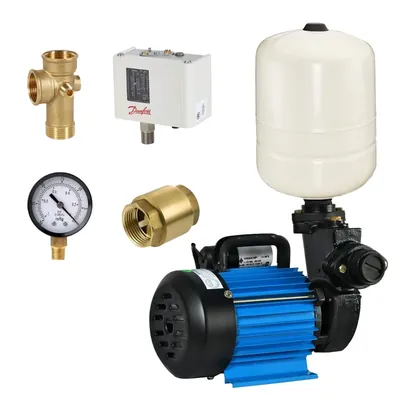
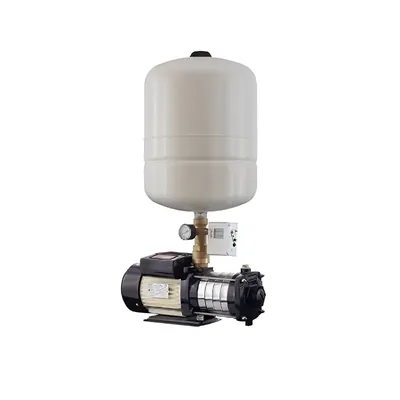

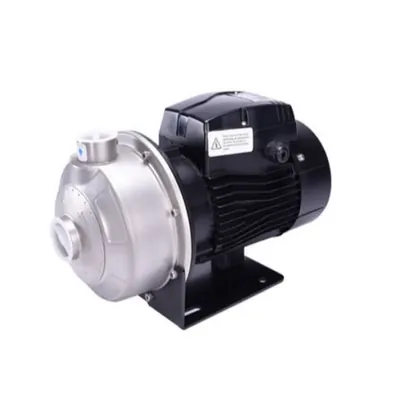
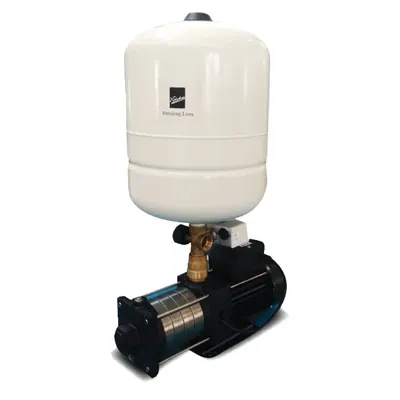
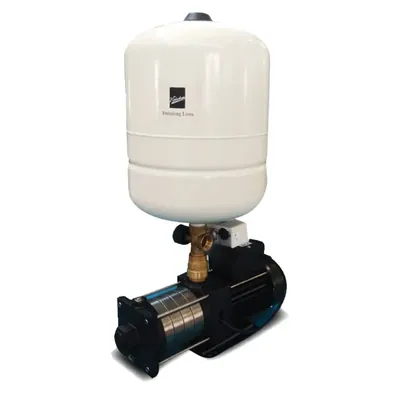
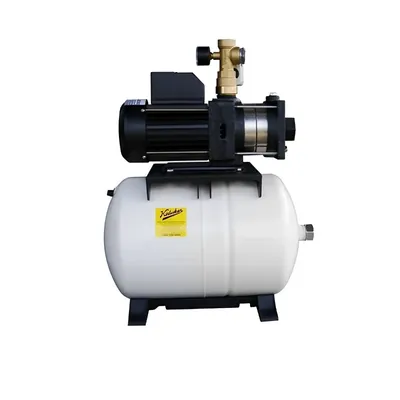
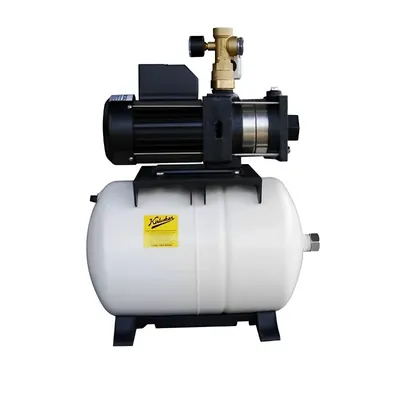
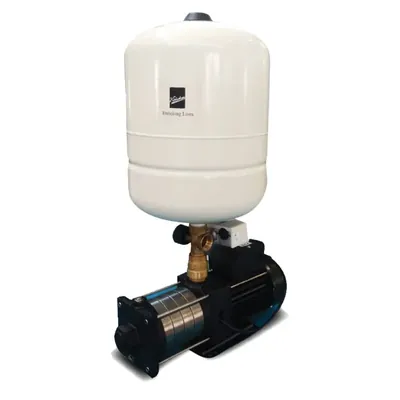
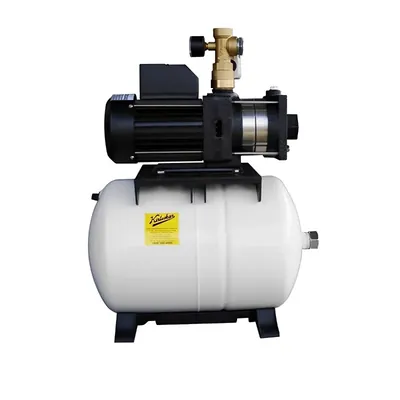
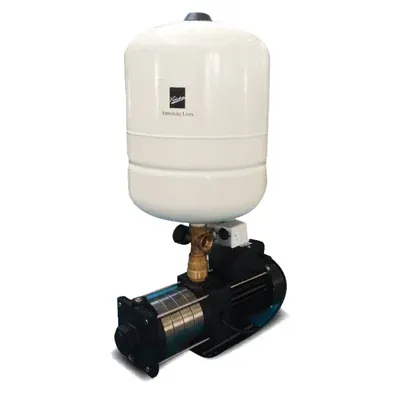
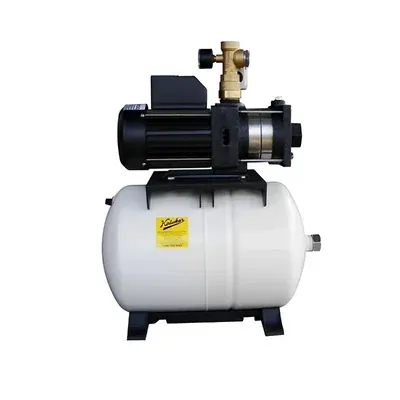
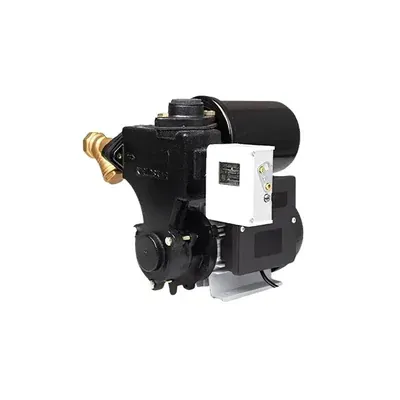
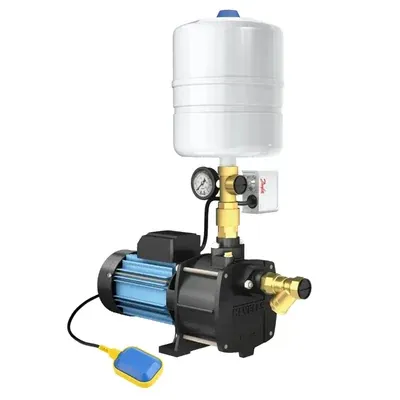
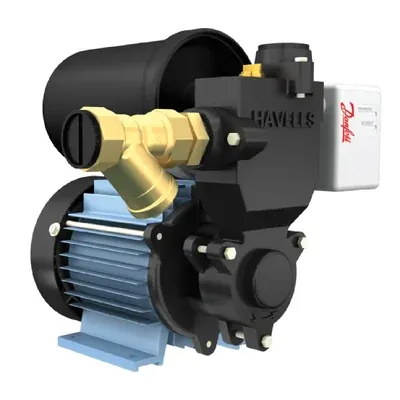
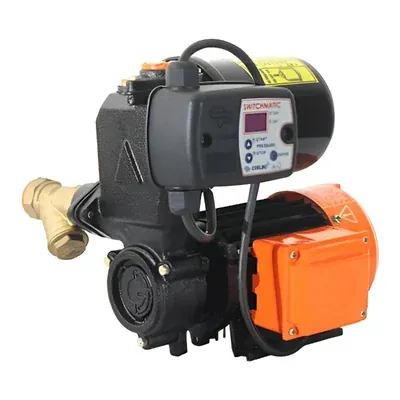
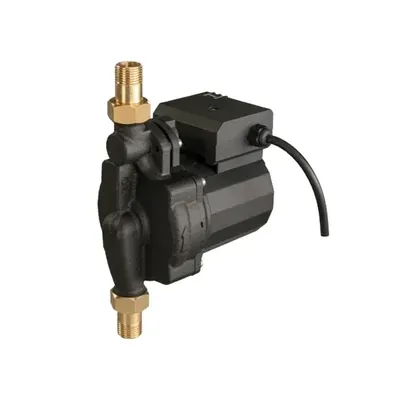
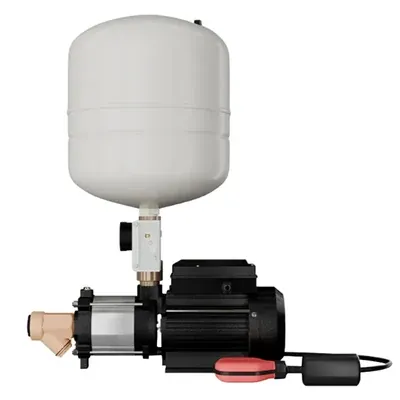
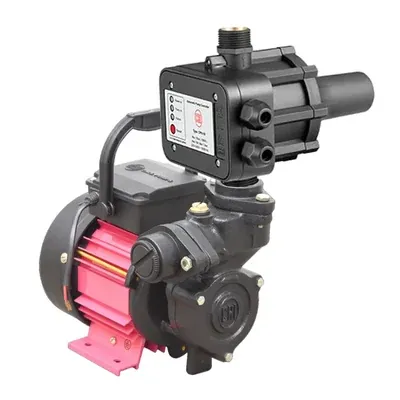
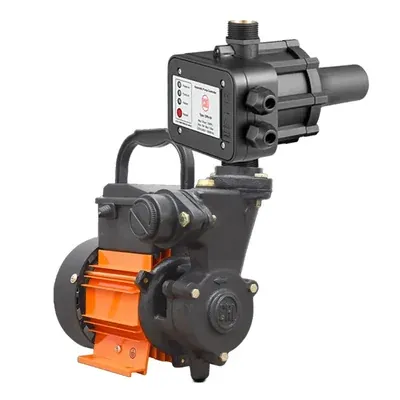
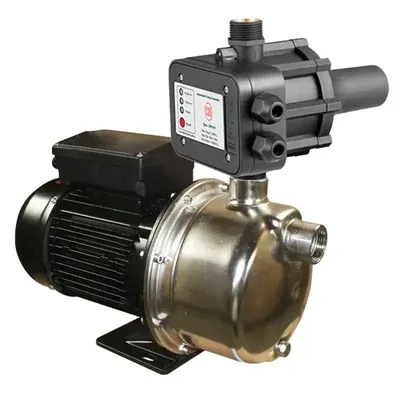
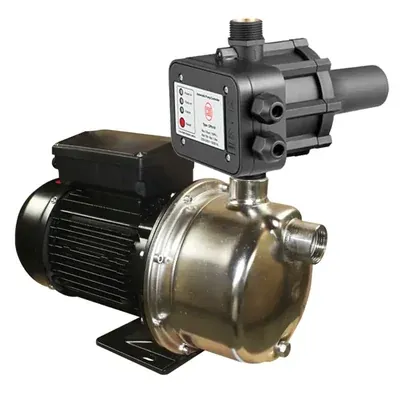
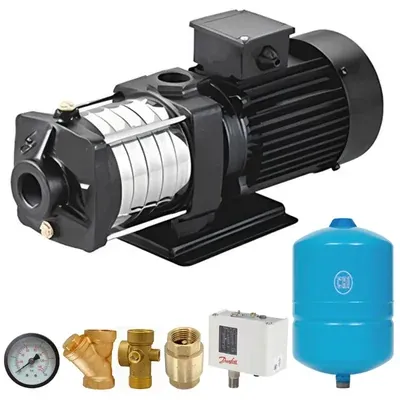
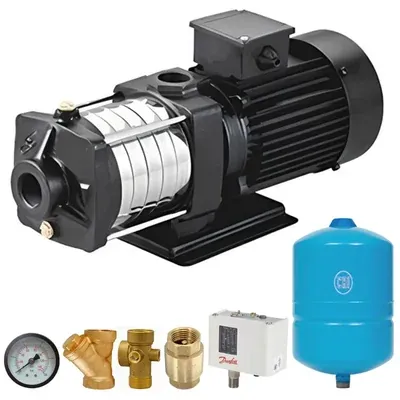
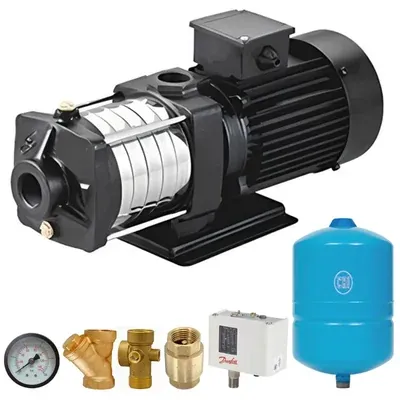
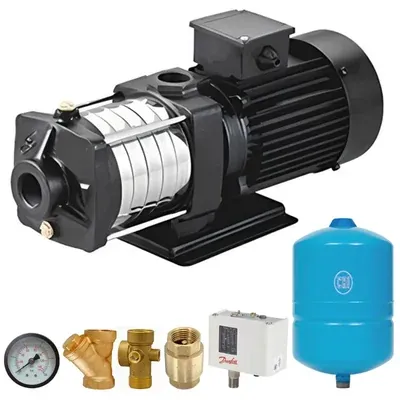
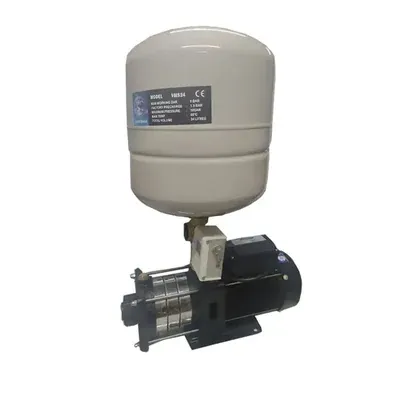
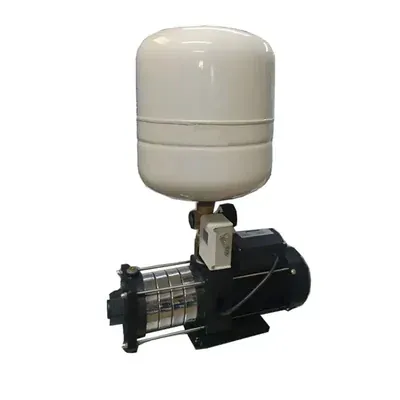
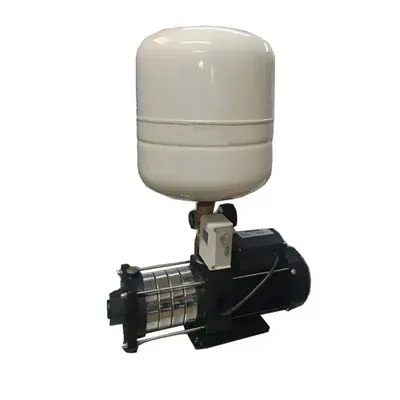
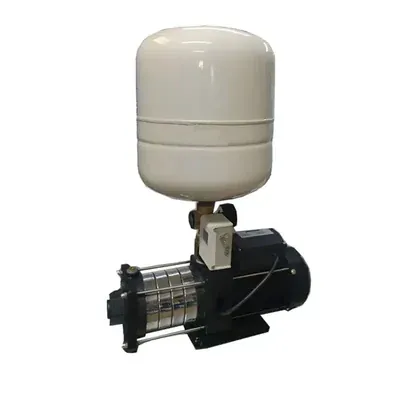
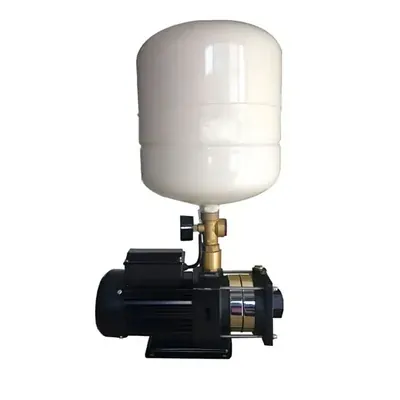
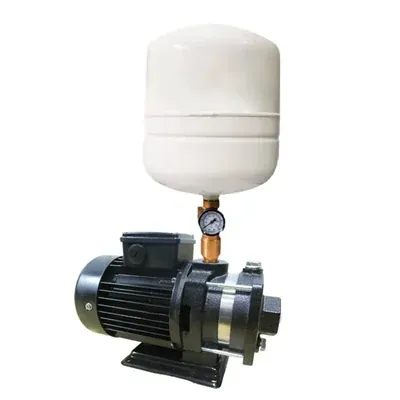
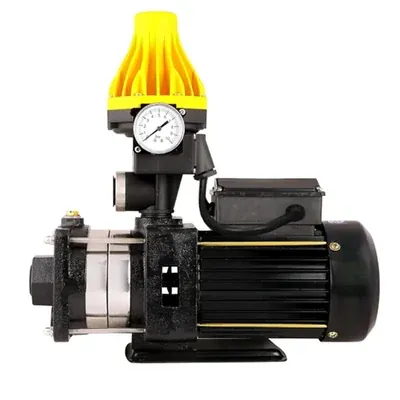
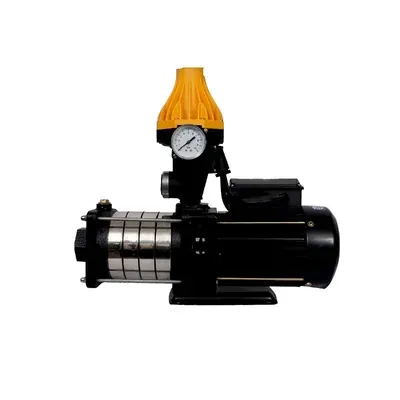

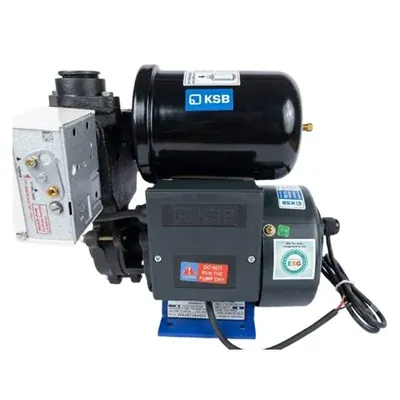
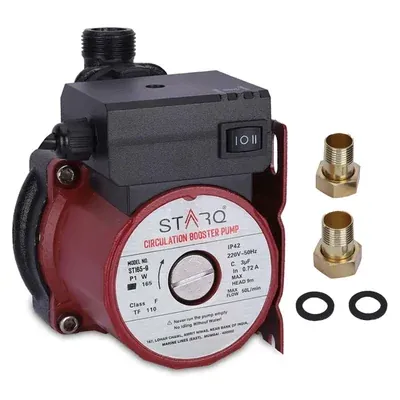
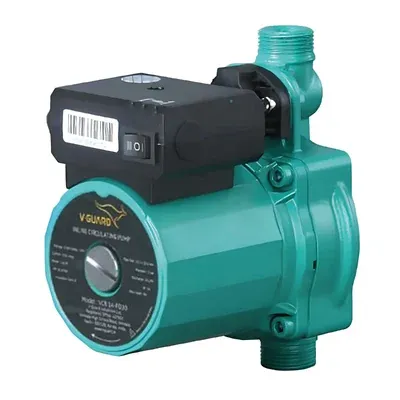
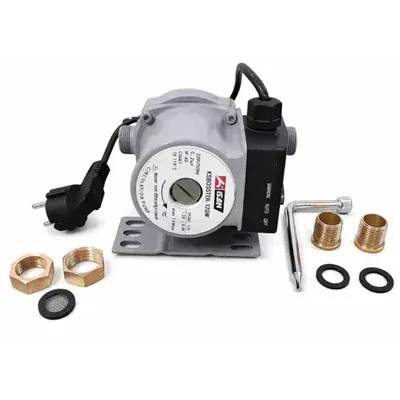
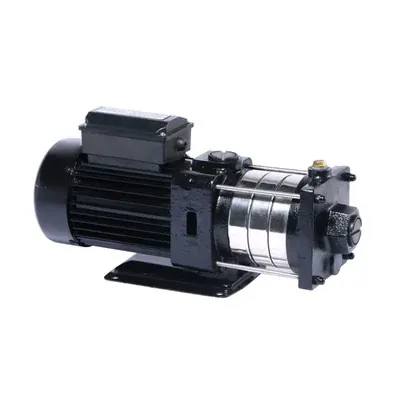
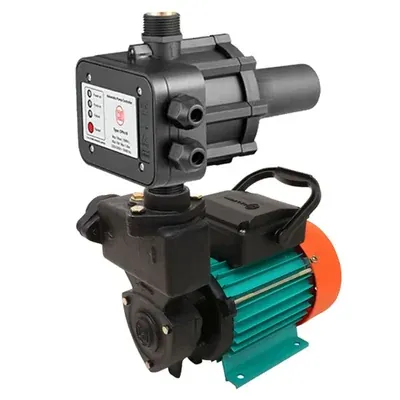
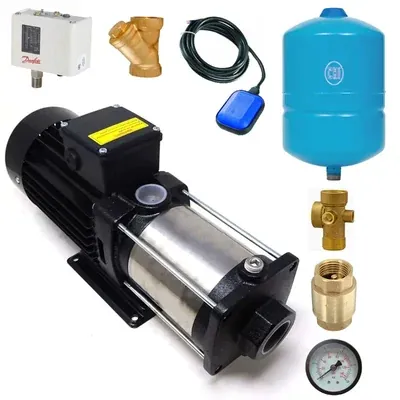


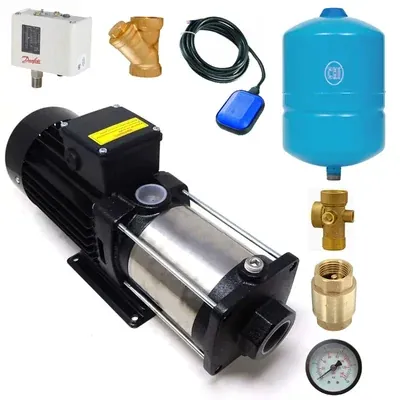
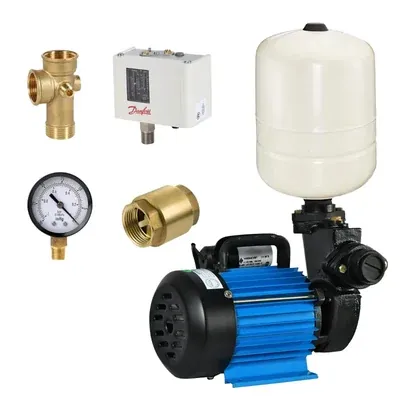
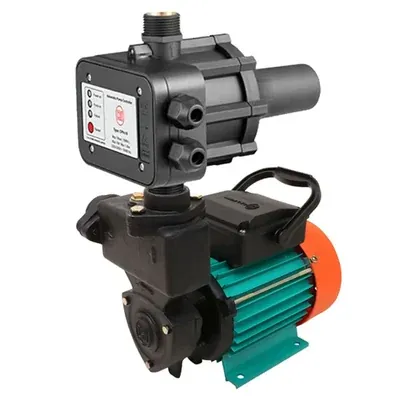
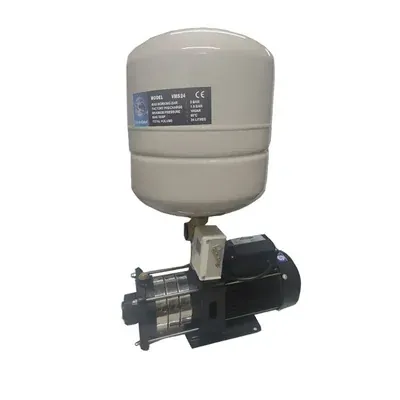
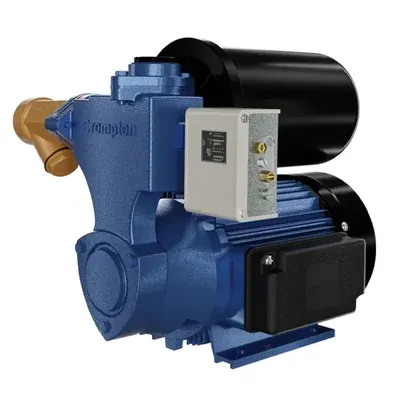
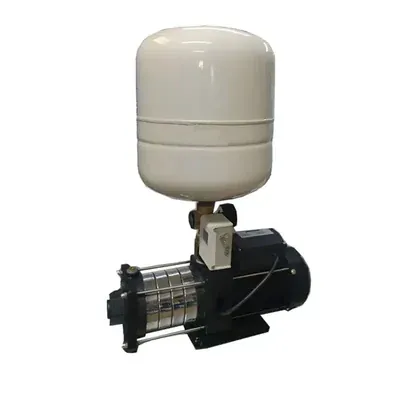
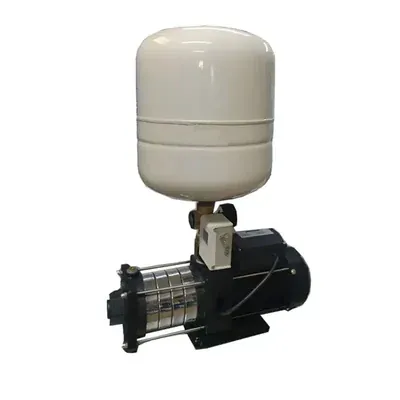
Top 10 Best-Selling Booster Pump price list for October 2026
Water Pressure Booster Pump: What It Fixes and What It Cannot
A water pressure booster pump raises the pressure of water that is already in your pipes, so showers, geysers and washing machines get a firmer flow. It does not make water appear or lift it from a sump or well. If the shower on your top floor dribbles while the ground-floor tap runs hard, a booster pump for home use is usually the right fix. For the wider range, start at Water Pumps and Motors.
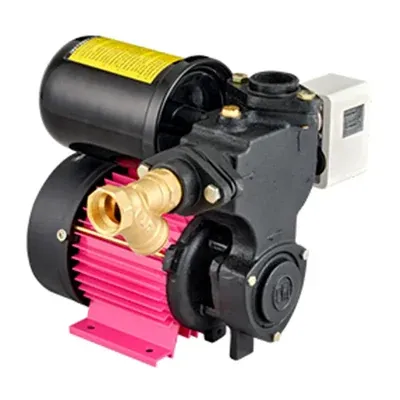
A monoblock pump does a different job: it pulls water from a source and fills the tank. The booster works after the tank, on pressure. Many homes with an overhead tank need the monoblock to fill it and a booster only where gravity is too weak.
Find the Cause of Low Pressure Before You Buy
Only some causes of low pressure are cured by a pump. Check the pattern first.
| What you notice | Likely cause | Does a booster help? |
|---|---|---|
| Weak shower on the top floor, taps below fine | Too little height between the overhead tank and the outlet | Yes, the classic case |
| Every tap weak, even beside the tank | Narrow or choked pipe, half-open valve, blocked strainer | Fix the pipe first |
| Flow, then nothing | Tank or sump empty | No, the pump would run dry |
| Municipal water arrives for only an hour or two | Supply timing, not pressure | Only with a storage tank in between |
As a rough rule, gravity gives about 0.1 bar per metre of height. A tank three metres above a shower gives only about 0.3 bar, which is why a bathroom on the floor just below the tank trickles. Measure that gap first.
Tank-Fed or Line-Fed: Where the Booster Goes
Fit the booster on the pipe leaving the tank, feeding only the weak bathrooms. The tank then acts as a steady supply, and the pump never starves.
| Setup | How it works | Watch out for |
|---|---|---|
| Tank-fed, booster after the overhead tank | Pump draws from the tank outlet and pushes to the weak outlets | Dry running if the tank empties, so keep the inlet pipe full-bore |
| Line-fed, booster on the incoming supply | Pump takes water from the pipe and raises its pressure | Supply that stops, and local rules on pumping from the main |
| Water sits below the pump, in a sump or ground tank | The pump must pull water up before it can push | A suction duty, so see monoblock and jet pumps |
Some municipal bodies do not allow pumping directly from the main, because it can starve neighbours. Ask your water authority or society before fitting a pump on the incoming pipe. Where supply is irregular, a ground tank with a booster after it is safer. For suction from below, compare a jet pump monoblock. Non-return valves and unions are listed under pump accessories.
Pressure Switch, Controller or Manual Start
Boosters differ mainly in how they start and stop.
| Type | How it starts | Best suited to |
|---|---|---|
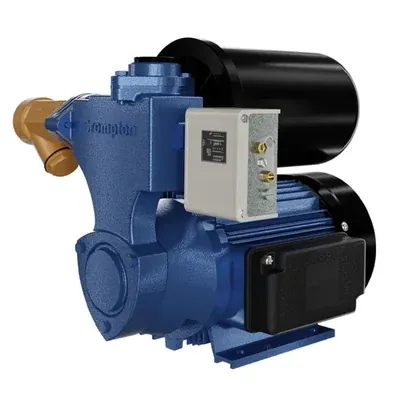
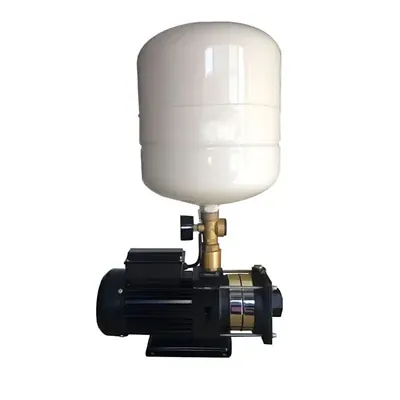
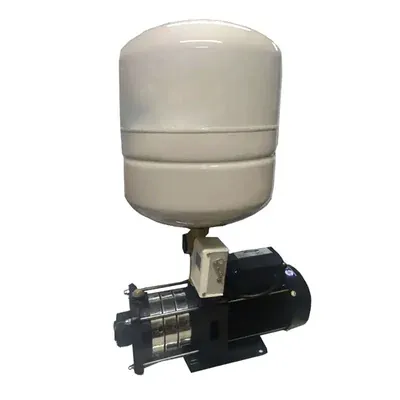
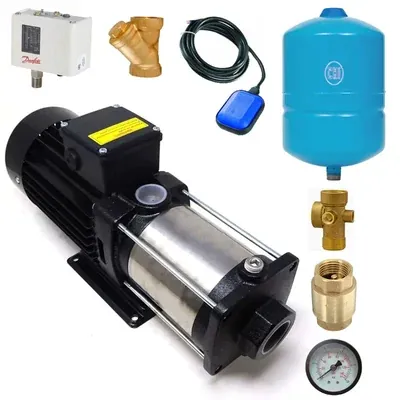
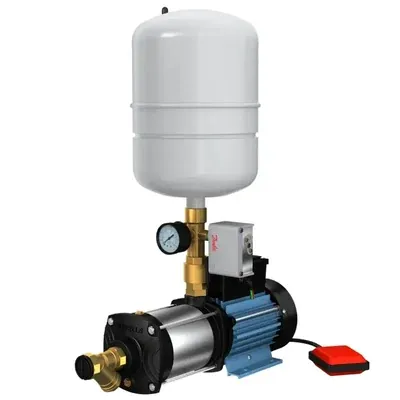
| Pressure switch with a small tank | Starts when pressure drops, stops at a set higher pressure | Homes with several outlets used at different times |
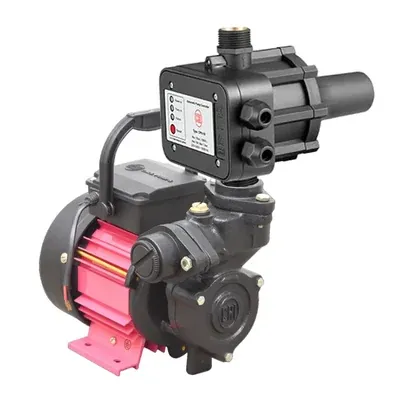
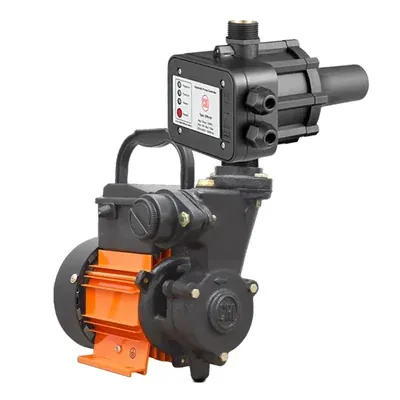
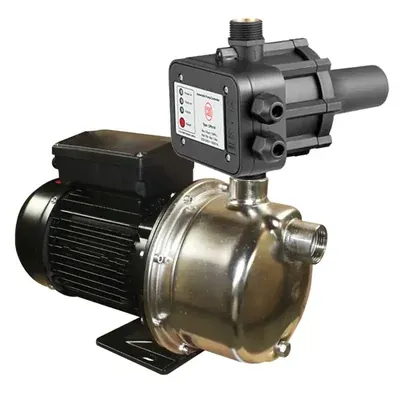
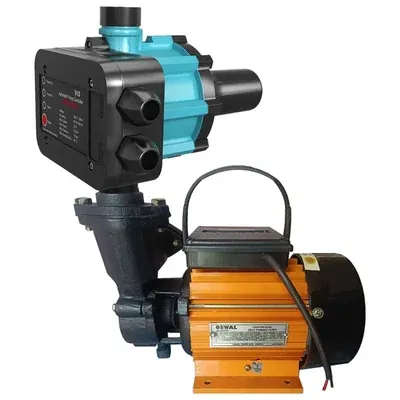
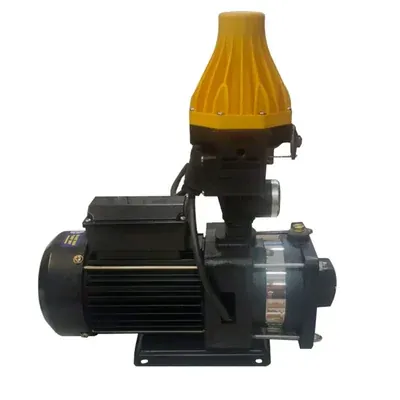
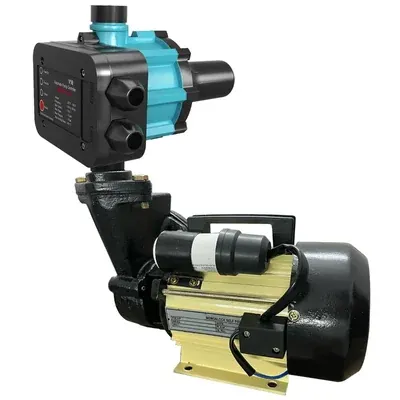
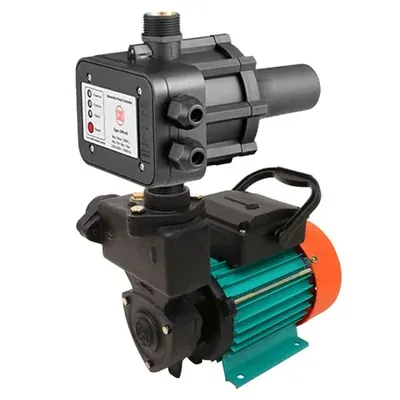
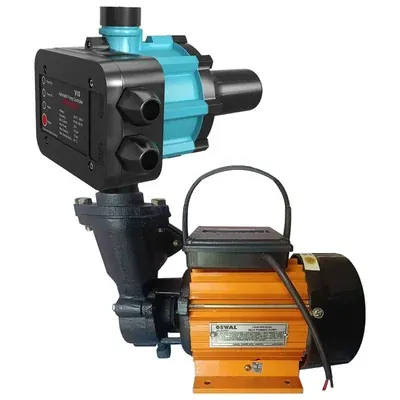
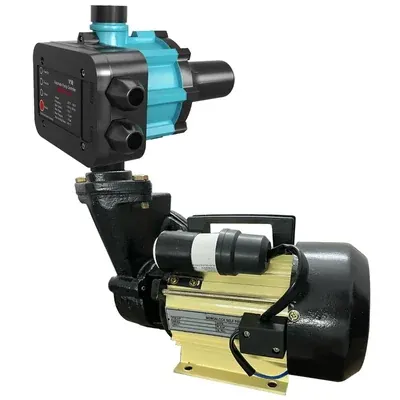
| Automatic controller | Starts when it senses water moving, stops when flow stops | Compact setups with one to a few outlets |
| Manual switch | You switch it on and off | Occasional use, only if someone will watch the tank and switch off in time |
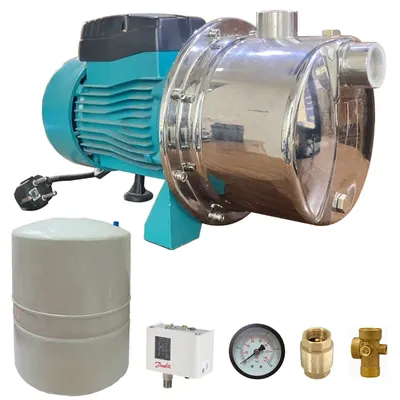
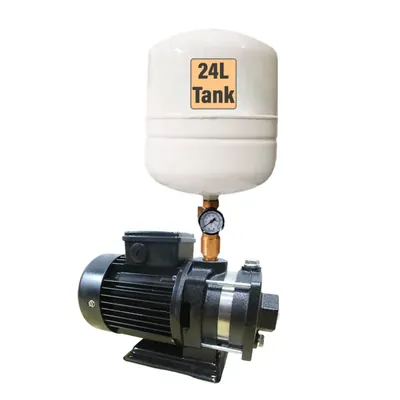
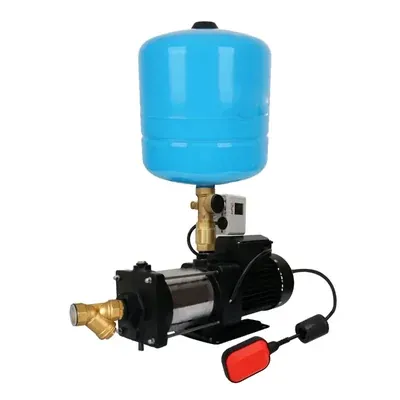
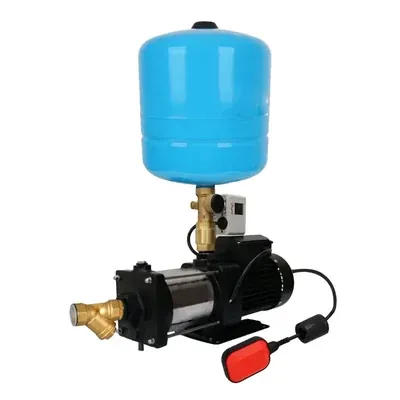
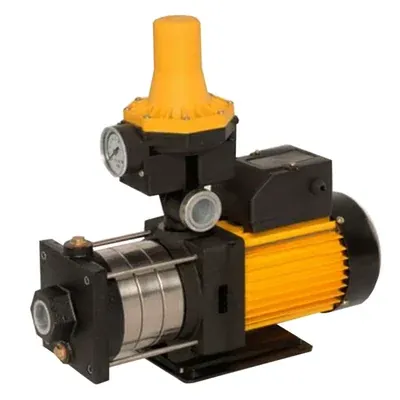
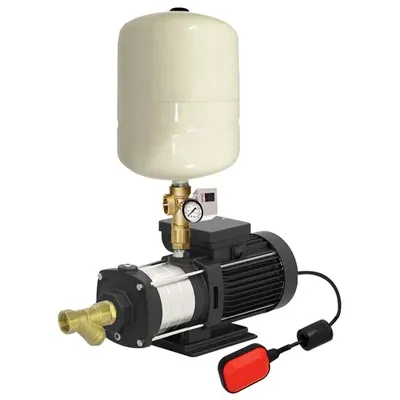
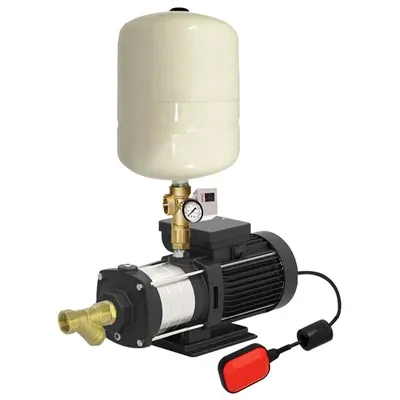
The pressure switch has a cut-in pressure, where the pump starts, and a cut-out pressure, where it stops. The tank holds a small cushion of water so the pump does not start for every cup you draw. If a pump clicks on and off every few seconds, suspect a dripping tap or joint downstream, a tank that has lost its air, or a controller working at a trickle. Product names often say "with 24 L pressure tank" or "with automatic pump controller", so you can see the style.
Sizing a Booster Pump for Home: Outlets, Head and Flow
Size by the number of outlets that run together, then check the head. HP alone does not tell you what arrives at the tap.
Many listings state how many bathrooms a model suits. Treat that as a starting guide, then count the outlets in use at one time: shower, basin, geyser, washing machine.
| Wording seen in listing names | What it suggests |
|---|---|
| 0.5 HP, 1 bathroom, 2 L or 8 L tank | One shower and a basin |
| 0.75 HP, 2 to 3 bathrooms | A small flat or two-storey home |
| 1 HP, up to 4 bathrooms, 24 L tank | Larger homes with several showers |
| 1.5 HP, 5 or more bathrooms, 35 L to 100 L tank | Large houses |
Here is a worked case. A top-floor flat has two bathrooms, with the tank about three metres above the showers. Gravity gives roughly 0.3 bar, so the showers dribble, and two may run together. A 0.75 HP listing that says 2 to 3 bathrooms is a sensible start, with a tank so the pump does not cycle for every tap.
Use these quick rules.
- If one bathroom is weak and the rest are fine, choose the smallest listing that names one bathroom
- If several outlets run together or a washing machine shares the line, move up one size or choose a model with a larger tank
- If the pump will serve a whole building, send the numbers by Request for Quote instead of guessing from bathroom counts
Two numbers on the product page matter more than HP: the maximum head in metres, and the flow in LPM or LPH. Flow falls as head rises, so a pump quoted at 50 m head gives far less water at that head than at a low one. If a geyser feeds the shower, confirm the geyser's rated pressure and its maker's advice before raising the supply pressure.
Power Supply, Protection and Installation Checks
Most boosters in the range are single phase, and single phase listings far outnumber three phase ones. Three phase models, often with several stages and higher head, suit buildings that have a three phase connection.
Before installation, check this list.
- Fit a non-return valve so water does not drain back when the pump stops
- Add isolation valves on both sides, so the pump can be removed without draining the tank
- Use flexible connectors to cut vibration and noise in the pipes
- Keep the inlet line full of water, since a pump that runs dry can overheat within minutes
- Earth the pump and wiring, and do not use a loose wire in a socket
- Check the nameplate voltage range against your supply
On summer evenings, when many homes run air conditioners, supply voltage often sags, and a motor working in low voltage heats up. A qualified electrician should do the wiring. If the pump hums but does not start, switch it off and check the supply.
Booster Pump, Circulator or Monoblock: What the Range Contains
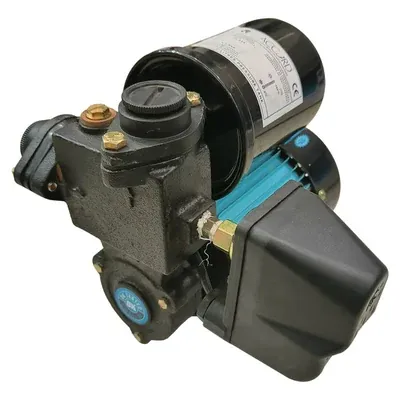
Most of the 107 models are pressure booster pumps for homes and small buildings, mostly 0.5 to 1.5 HP. A few are different machines that share the word booster.
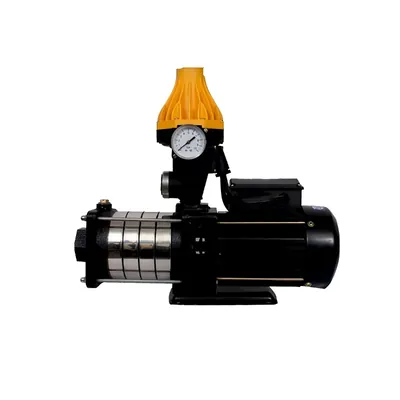
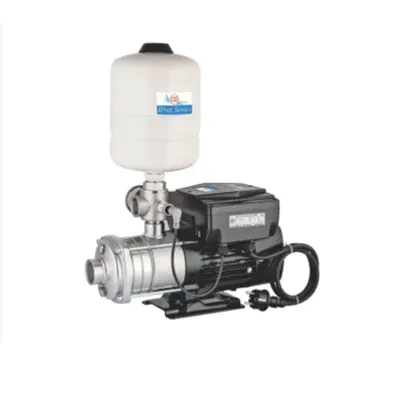
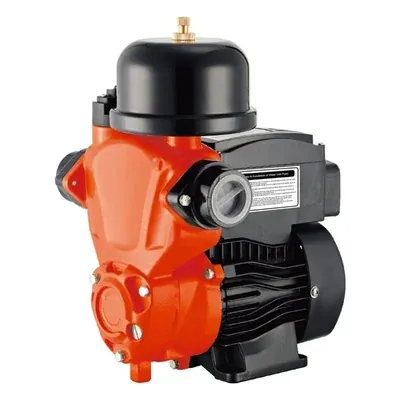
- Pressure booster pumps, often with a tank or controller, for showers and taps
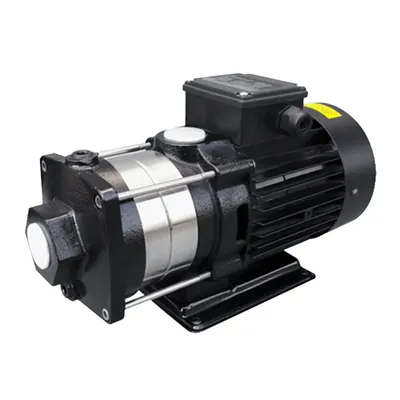
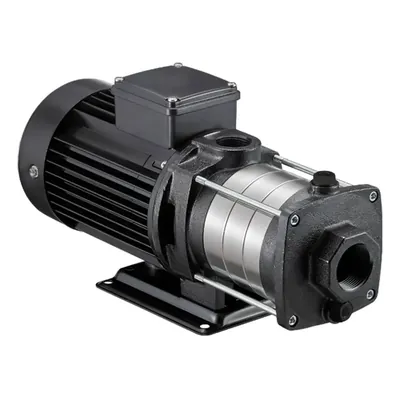
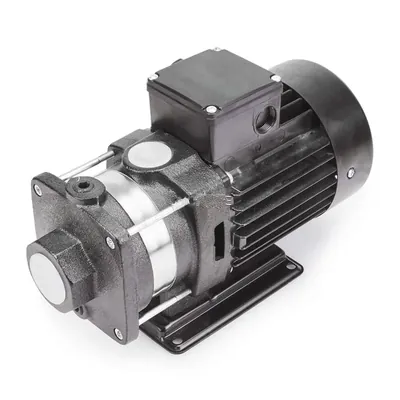
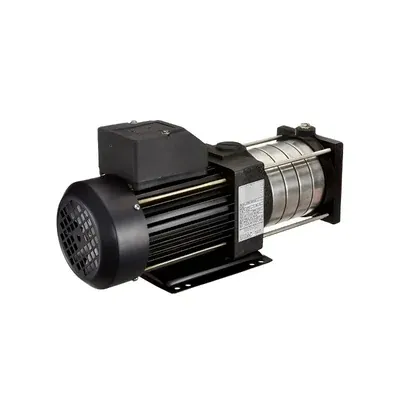
- Multistage three phase pumps, for buildings and higher head
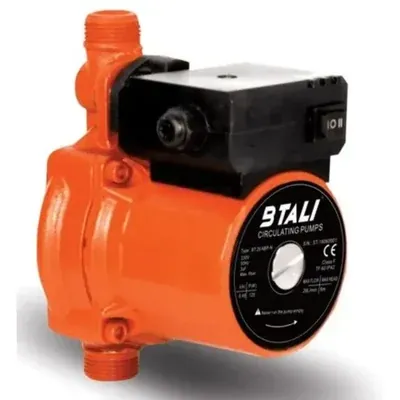
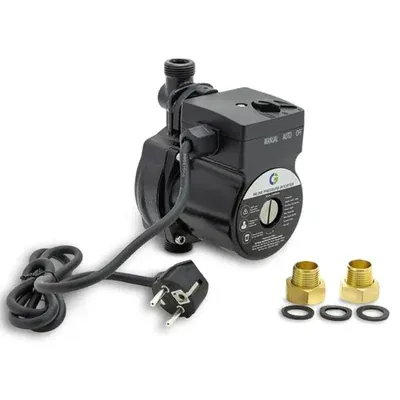
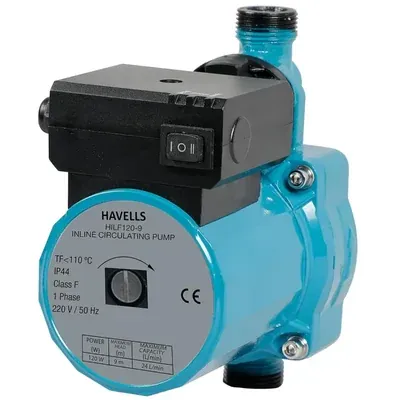
- Small inline units rated in watts, about 100 to 165 W, described as circulating or hot and cold boosters. They are a different class from the HP-rated pressure boosters, so read the description before ordering
- At least one listing aimed at uses such as solar panel cleaning or sprinklers, which you would choose by pressure and flow rather than by bathroom count
If your problem is an empty tank, you need a pump that lifts water, so look at monoblock pumps. If the tank has water and the shower is weak, a pressure booster is the right class. For farm sprinklers and drip lines, the agricultural tools category covers the equipment around the pump.
Choosing From the ToolHaat Booster Pump Range
The category lists 107 models, from roughly ₹2,960 to about ₹50,984, with a median near ₹15,300. Brands include Vanora, CRI, Crompton, Kirloskar, V-Guard, Havells and Sharp. Common ratings are 1 HP, 0.5 HP and 1.5 HP.
- For one bathroom and a compact pump, look at listings such as the Vanora 0.5 HP mini booster with a 2 litre tank and Danfoss pressure switch
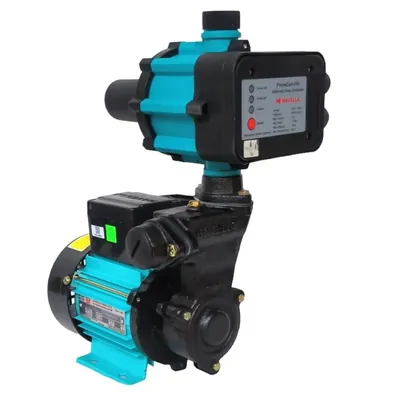
- For a controller and no tank, see the Havells automatic pressure booster for 1 to 2 outlets
- For four bathrooms, a listing such as the Heavy Duty 24 Litre 1 HP booster pump matches the usual size
- For an SS series pump with an automatic controller, see the CRI 1.5 HP JTS booster
Open the product page for exact specifications before ordering.
Booster Pump Orders: Bulk Quantities, GST Invoice and Returns
Before you ask for help, write down four things: number of bathrooms, tank height above the weakest outlet, single or three phase supply, and whether you want a tank or a controller. Send them through Request for Quote for dealer, builder or project orders.
Every order carries a GST invoice, and bulk and tiered pricing is shown on each product page with the minimum order quantity. Delivery covers India, free above ₹2,000, though heavy machinery may carry freight confirmed before dispatch (see the shipping policy). If an item arrives wrong or damaged, raise a request within 24 hours of delivery with an unboxing video and send it back within 3 days under cancellations and returns. Warranty claims follow the warranty policy.