Special Pumps
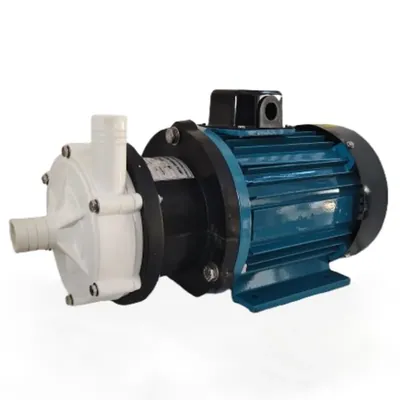
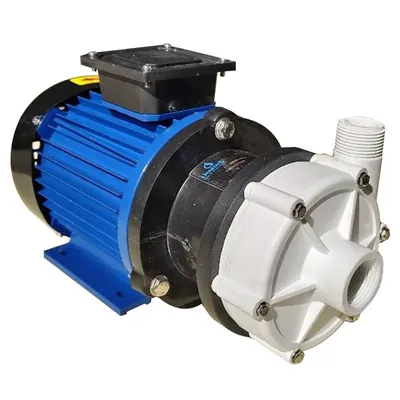
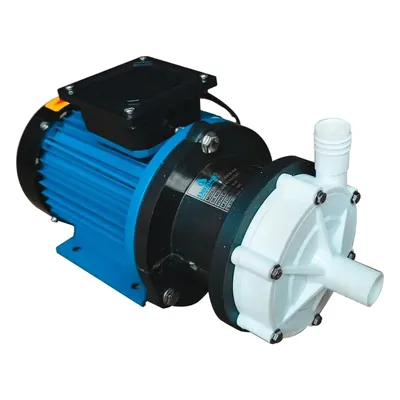
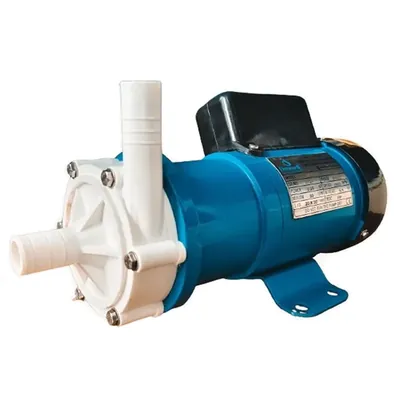

Top 10 Best-Selling Special Pumps price list for October 2026
Special Pumps: What Makes a Duty Special
A special pump is one chosen for the liquid, the location or the risk of leaks, not for how much water it moves. Most of this range is the magnetic drive pump, a sealless chemical transfer pump with no shaft gland to drip, and the rest covers a few other non-standard duties. For ordinary water lifting, start at Water Pumps and Motors.
The range is small, about 14 products, so it is better to be plain about it. Below are the listings sorted by type, four questions to settle before ordering, and the point where a standard pump is the better answer.
What the Special Pumps Range Lists Today
Four kinds of pump sit on this page, and each answers a different "special" condition. Nothing else is listed, so if your job is not in the table, send it as a quote request instead of stretching a pump to fit.
| Type in the range | What makes the duty special | Example listing |
|---|---|---|
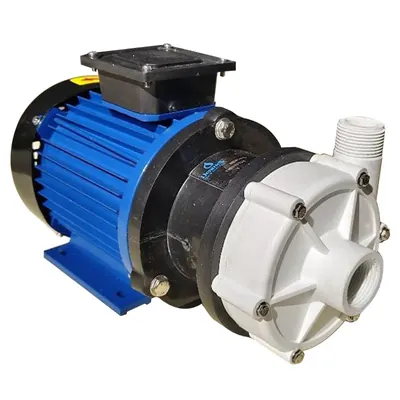
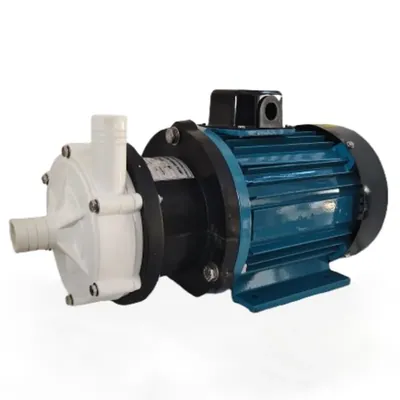
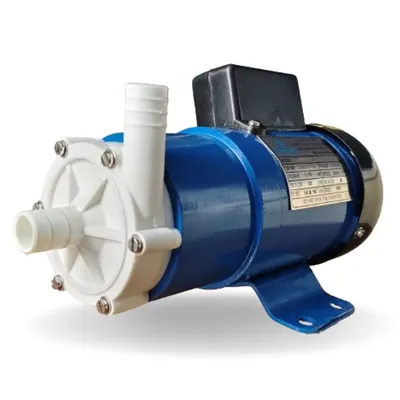
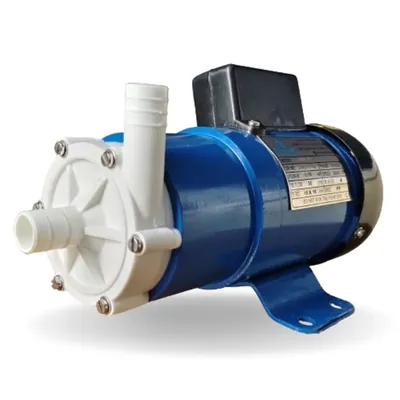
| Polypropylene magnetic drive pump | Chemical liquids, no shaft seal to leak | Denwell 1 HP single phase MDP-170 |
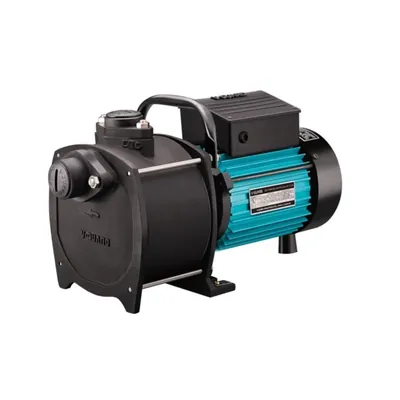
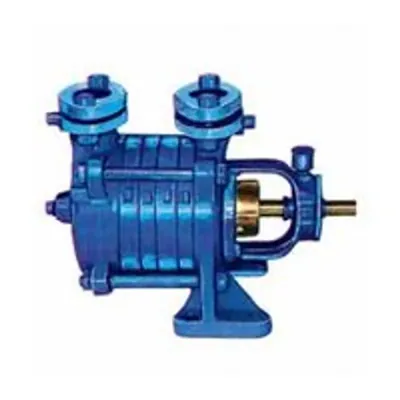
| Shallow well jet pump | Water sits below the pump, which pulls it up | V-Guard 0.5 HP VCSW-H90 |
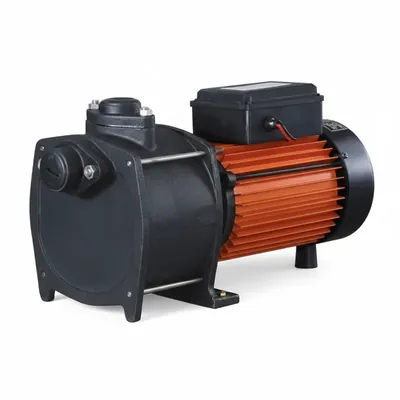
| Regenerative cum centrifugal self priming pump | Self priming for commercial use | Self priming pump, 220 V |
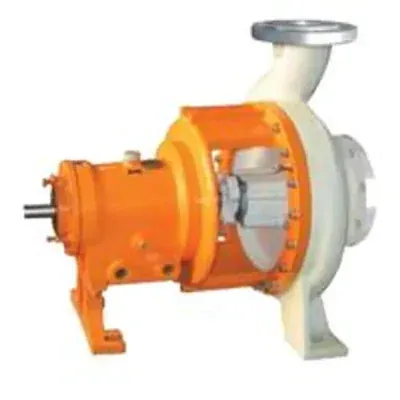
| Chemical process pump | Process liquids, semi-open impeller | Commercial chemical process pump |
Prices run from roughly ₹7,800 to ₹29,200, and most listings are single phase, with a few three phase. The magnetic drive pumps are listed from about 0.12 HP up to 1 HP, so they suit drum-to-tank transfer, small process lines and dosing tasks rather than heavy plant duty.
How a Magnetic Drive Pump Works
A magnetic drive pump moves liquid with no shaft passing through the casing. Instead of a seal, an outer magnet turned by the motor drags an inner magnet fixed to the impeller, with a sealed wall between the two. Nothing rubs through that wall, so there is no gland to drip, which is why small factories and labs consider it for acids and other liquids they do not want on the floor.
The design has two weak spots. The bearings inside are cooled and lubricated by the liquid itself, so running the pump dry can damage them quickly. And the tight clearances dislike grit, because solids wear the bearing surfaces. Both points shape most of the questions below.
Question One: What Liquid Will Touch the Pump
The first check is whether the parts that touch the liquid can survive it. In this range the casing is polypropylene, a plastic that handles many acids and alkalis but not every chemical and not every strength. Compatibility depends on the exact liquid, its concentration and its temperature, so ask for the maker's chemical compatibility chart before you buy.
Work through the liquid in this order:
- Write down the name, strength and highest temperature of the liquid
- Look at the product page for the wetted materials, including seals and o-rings
- Compare them with the compatibility chart, not with a general claim that a plastic pump is chemical proof
- If any part is unconfirmed, ask through a quote request before ordering
Never assume that because a pump handles one acid it will handle another. Solvents in particular can attack plastics that cope well with water-based chemicals.
Question Two: How Hot, How Dirty, How Dry
Heat, solids and dry running are the three quiet killers of special pumps. Plastic casings have lower temperature limits than metal ones, so a hot process liquid needs the datasheet limit confirmed first. A pump that is fine on a cool morning may soften or warp when the liquid is warm, and a warm shed or a bath that heats up in use can push the liquid past what the casing allows.
For solids, the rule is simple: magnetic drive pumps want clean liquid. A semi-open impeller, as named on the chemical process pump listing, usually copes better with some suspended matter than a closed one, but ask what size and amount the maker allows. If the liquid carries slurry or sediment, a different pump will last longer.
Dry running needs a plan, not hope. Keep the suction flooded, meaning the liquid level stays above the pump inlet, and stop the pump before the drum or tank empties. Running against a fully closed outlet is also best avoided, since the liquid inside heats up with nowhere to go.
Take a small plating or etching unit moving an acid from a drum to a bath. The questions are the same every time: does polypropylene suit that acid at that strength, how warm does the bath get, is the drum always above the pump, and who stops the pump before the drum runs out?
Question Three: Where Is the Liquid and Does the Pump Need Priming
Priming means filling the pump and suction line with liquid so it can start pulling. A standard centrifugal pump cannot lift liquid through an empty line by itself, which is why the position of the source matters.
Here is how the types in this range differ:
- Magnetic drive pumps are normally set with the liquid above or level with the inlet, so the pump is full at start-up. Check the listing before using one with a suction lift.
- A shallow well jet pump is built for water that sits below the pump, and a nozzle assembly helps it draw water up. As a rule of thumb the practical suction lift is only a few metres, so do not treat a deep borewell as a shallow well. Like any jet pump it must be filled with water before the first start. A dug well with a short drop to the water, feeding an overhead tank or a small plot, is the sort of job it fits; for wider farm needs see agricultural tools.
- The regenerative cum centrifugal self priming pump is meant to start with air in the line. Regenerative designs have very small clearances and generally want clean liquid, and they are known for high head at low flow, so confirm its limits on the product page.
Fit a foot valve on the suction pipe so that prime is not lost between runs, and fill the pump before the first start. Foot valves and fittings are sold as pump accessories. Air leaks on the suction side are the usual reason a pump will not pull.
Question Four: Head, Flow and Power Supply
Read the model name as a mini datasheet. "Denwell 1 HP Single Phase PP Magnetic Drive pump, 14 m Head, 170 LPM (MDP-170)" tells you the power, the supply type, the body material, the head (14 metres) and the flow (170 litres per minute). Those two figures may not occur together, because flow falls as the head rises, so ask for the pump curve and check that your working point sits on it.
For the jet pump, "89 ft max head and 58 LPM" works the same way: 89 feet is a maximum, not the head at which you will get 58 litres a minute. Add the vertical lift, the pipe friction and the height to the outlet, then keep a margin.
For supply, single phase suits a home or small shop on 220 to 230 V, while three phase belongs to workshops and farms with a three phase connection. Check that your supply matches before ordering, protect the motor with the right starter or overload cover, and make sure the earthing is sound, because liquids and electricity are a bad mix. Voltage fluctuation is common in many areas, so a pump on a weak line may run hot.
When a Standard Pump Is the Better Choice
If the duty is ordinary, a standard pump is simpler and easier to replace. These rules help you decide:
- Clean water from a deep source points to a submersible pump or a jet monoblock pump
- Weak pressure at the taps points to a booster pump
- Muddy, gritty or solids-laden liquid points to a dewatering and sewage pump
- A chemical, a warm process liquid, or a liquid that must not leak points back to this page
The jet pumps here overlap with the jet monoblock category, so compare the suction lift and head on each product page rather than relying on the category name.
Before You Order: Confirmations, GST and Returns
With a small range, one wrong assumption costs real money, so confirm these points first:
- Liquid, strength and temperature against the wetted materials
- Head and flow at your working point
- Supply: single or three phase, and voltage
- Whether the source is flooded or below the pump
- Spare parts and the warranty policy for the model
Every ToolHaat order carries a GST invoice, and each product page shows the minimum order quantity and any bulk price. Delivery is across India, with free delivery above ₹2,000 and freight confirmed before dispatch on heavier items; see the shipping policy. If something arrives wrong or damaged, raise it within 24 hours with an unboxing video, as set out in the returns policy.
If your duty is not in the list above, send the liquid, temperature, head, flow and supply type through the Request for Quote page, or call +91 92755 06722 on call or WhatsApp.